A high risk pregnancy specialist in Chennai provides focused, expert care for mothers whose pregnancies need extra medical attention due to certain health conditions or history. Pregnancy is a special time, and every mother deserves care that fits her own health needs. Some pregnancies need extra attention because of certain health conditions or medical history — this is called a high-risk pregnancy. With the right specialist care, most high-risk pregnancies can be managed safely, helping mothers feel supported through every stage.
Dr. N.S. Saradha offers high-risk pregnancy care in Chennai, with a focus on close monitoring, early detection of complications, and personal attention to each mother’s health.
What Is a High-Risk Pregnancy?
When Is a Pregnancy Considered High Risk?
A pregnancy is considered high risk when there is a higher chance of health problems for the mother, the baby, or both. This does not mean something will definitely go wrong. It simply means the pregnancy needs closer monitoring than usual. Doctors look at factors like the mother’s medical history, age, and any conditions that develop during pregnancy to decide the right level of care.
Common Risk Factors During Pregnancy
Some factors that can make a pregnancy high risk include:
- Health conditions such as diabetes, high blood pressure, or thyroid disorders
- Being pregnant with twins or more
- A previous pregnancy loss or complication
- Being pregnant at a younger or older age than usual
- Existing medical conditions like heart disease or kidney disease
Why Specialist Monitoring Is Important
When a pregnancy is high risk, regular check-ups help catch small changes before they become bigger concerns. Specialist monitoring means tests and scans are scheduled more often, and any change in the mother’s or baby’s health is noticed early. This allows the care plan to be adjusted quickly, which supports a smoother pregnancy journey.
High-Risk Pregnancy Conditions We Manage
Gestational Diabetes
Gestational diabetes happens when blood sugar levels rise during pregnancy. It is managed through regular blood sugar checks, a suitable diet plan, and monitoring the baby’s growth. Most mothers with gestational diabetes go on to have healthy deliveries when the condition is tracked and managed well throughout the pregnancy.
High Blood Pressure and Pre-eclampsia
High blood pressure during pregnancy needs regular checking, as it can sometimes lead to a condition called pre-eclampsia. Pre-eclampsia is managed with regular blood pressure readings, urine tests, and monitoring for symptoms like swelling or headaches. Early detection allows the care plan to be adjusted to protect both mother and baby.
Thyroid Disorders During Pregnancy
Thyroid hormones play an important role in the baby’s development. Both an overactive and an underactive thyroid can affect pregnancy, so thyroid levels are checked and treated with the right medication dosage. Regular blood tests help keep thyroid levels balanced throughout the pregnancy.
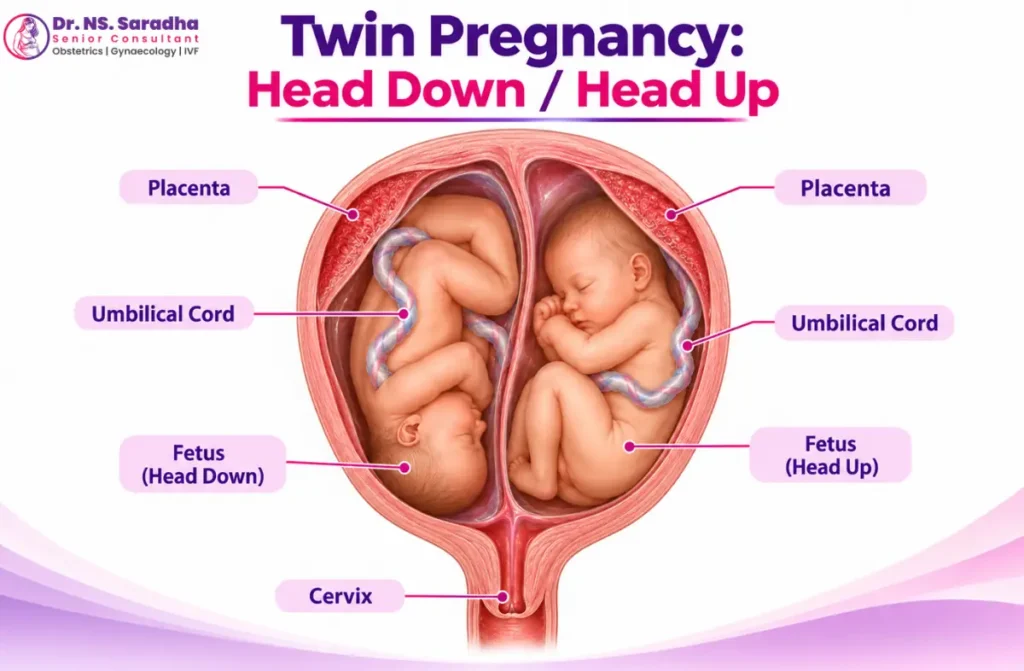
Twin and Multiple Pregnancy
Carrying twins or more means the body works harder, and closer monitoring helps track the growth of each baby. Extra scans are used to check that both babies are growing well and to plan the safest timing and method of delivery.
Previous Pregnancy Loss or Recurrent Miscarriage
If a mother has had a previous pregnancy loss or recurrent miscarriage, extra care is taken from the early weeks of the next pregnancy. This includes closer monitoring, relevant tests, and emotional support, as this experience can understandably bring added worry for expecting parents.
Preterm Labour
Preterm labour means labour that starts earlier than expected. Specialist care focuses on identifying early signs, monitoring for risk factors, and taking steps to support the pregnancy for as long as it is safe to do so.
Placenta Previa and Placental Problems
The placenta plays a vital role in supplying nutrients to the baby. Conditions like placenta previa, where the placenta lies low in the womb, are tracked through ultrasound scans, and a delivery plan is made based on the placenta’s position.
Intrauterine Growth Restriction (IUGR)
IUGR happens when a baby grows more slowly than expected in the womb. Regular growth scans and monitoring help track the baby’s progress, and the care plan is adjusted to support healthy development.
Advanced Maternal Age Pregnancy
Pregnancy after the age of 35 is often monitored a little more closely, as some risks can be slightly higher. This includes additional screening tests and regular check-ups to support a healthy pregnancy at any age.
Pregnancy With Pre-Existing Medical Conditions
Mothers with existing health conditions, such as heart disease, kidney disease, or autoimmune conditions, need a pregnancy care plan that considers their specific health needs alongside routine antenatal care.
High-Risk Pregnancy Care in Chennai
Initial Pregnancy Risk Assessment
Every high-risk pregnancy journey begins with a detailed risk assessment. This includes reviewing medical history, current health status, and any previous pregnancy complications to build a care plan suited to the mother’s needs.
Regular Antenatal Monitoring
Antenatal visits are scheduled at intervals suited to each pregnancy’s risk level. These visits track the mother’s health and the baby’s development, allowing timely adjustments to the care plan when needed.
Blood Tests and Pregnancy Screening
Routine blood tests and screening help detect conditions such as anaemia, gestational diabetes, and thyroid imbalances. These results guide the care plan throughout the pregnancy.
Ultrasound and Fetal Growth Monitoring
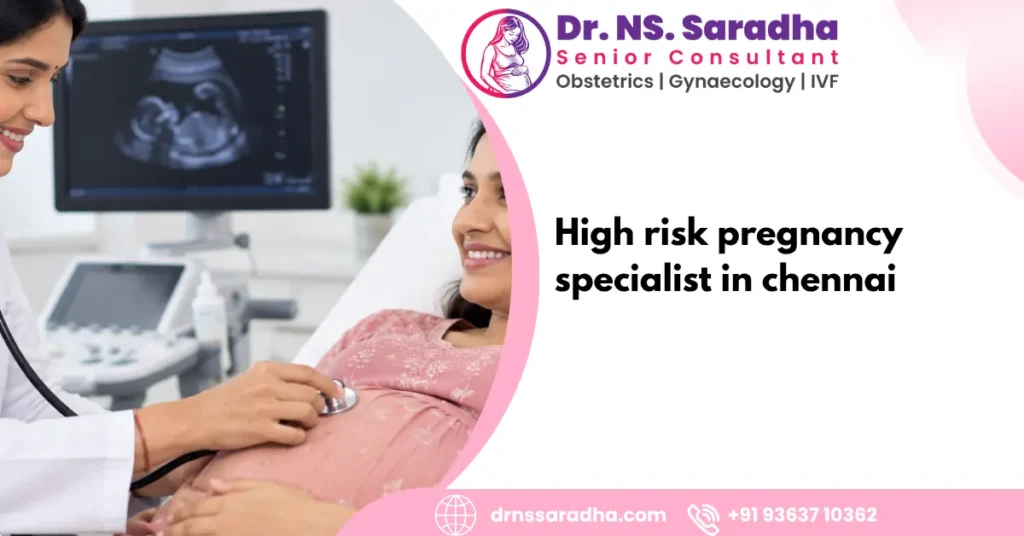
Ultrasound scans are used to track the baby’s growth, position, and wellbeing. For high-risk pregnancies, these scans are often done more frequently to keep a close watch on the baby’s development.
Blood Pressure and Blood Sugar Monitoring
Consistent monitoring of blood pressure and blood sugar helps identify changes early, especially for mothers managing conditions like gestational diabetes or high blood pressure.
Early Detection of Pregnancy Complications
Regular check-ups are designed to catch early signs of complications, giving enough time to adjust the care plan and take the right steps for the safety of mother and baby.
Personalised Pregnancy Care Plans
Each high-risk pregnancy is different, so care plans are built around the mother’s specific health condition, medical history, and how the pregnancy is progressing.
When Should You Consult a High-Risk Pregnancy Specialist?
Before Pregnancy: Preconception Consultation
If you have an existing health condition, a preconception consultation helps you plan your pregnancy with the right precautions in place from the very beginning.
During the First Trimester
Consulting a specialist early in the first trimester allows risk factors to be identified sooner, so monitoring can begin as early as possible.
If You Have a Previous High-Risk Pregnancy
If your last pregnancy was high risk, it is a good idea to consult a specialist early in your next pregnancy for closer monitoring from the start.
If Complications Develop During Pregnancy
If any new health concern comes up during pregnancy, such as high blood pressure or unusual scan results, a specialist consultation helps address it promptly.
When You Are Pregnant With Twins or More
Multiple pregnancies benefit from specialist monitoring from an early stage, given the additional care needed to support the growth of each baby.
Why Choose Dr. N.S. Saradha for High-Risk Pregnancy Care?
Experienced Obstetric Care
Dr. N.S. Saradha brings [VERIFY: X years] of experience in obstetrics and gynaecology, with a focus on guiding mothers through both routine and high-risk pregnancies with care and attention.
Personalised Monitoring for Every Pregnancy
Every mother’s pregnancy is looked at individually. Monitoring schedules and tests are planned according to each person’s specific health needs, rather than a one-size-fits-all approach.
Management of Complex Pregnancy Conditions
From gestational diabetes to placental concerns, complex pregnancy conditions are managed with a structured approach that keeps both mother and baby at the centre of care.
Compassionate and Patient-Centred Approach
Pregnancy, especially a high-risk one, can bring questions and concerns. Time is taken to explain each step of the care plan clearly, so mothers feel informed and supported.
Coordinated Care for Mother and Baby
Care is coordinated between antenatal visits, screening tests, and delivery planning, so that every part of the pregnancy journey works together smoothly.
Convenient Locations in Chennai
High-risk pregnancy consultations with Dr. N.S. Saradha are available at SIMS Hospitals, Vadapalani, and Agna Clinic, Saligramam, making quality care accessible across Chennai.
High-Risk Pregnancy Monitoring: What to Expect
First Consultation and Medical History Review
The first visit involves a detailed review of medical history, past pregnancies, and current health, which forms the base of your personalised care plan.
Pregnancy Tests and Screening
A set of tests and screenings are carried out to check for conditions that could affect the pregnancy, guiding the monitoring schedule going forward.
Fetal Growth and Wellbeing Checks
Regular scans track the baby’s growth, movement, and overall wellbeing, helping to confirm that development is progressing as expected.
Monitoring Mother’s Health
Alongside the baby’s growth, the mother’s health, including blood pressure, blood sugar, and any existing conditions, is monitored closely throughout the pregnancy.
Planning Delivery and Birth Options
As the pregnancy progresses, delivery planning takes into account the mother’s health, the baby’s position and growth, and any risk factors identified along the way.
Postnatal Follow-Up
Care continues after delivery with follow-up visits to check on the recovery of the mother and the health of the newborn.
Can You Have a Normal Delivery With a High-Risk Pregnancy?
Factors That Influence Delivery Method
The choice between a normal delivery and a caesarean depends on several factors, including the mother’s health, the baby’s position, and how the pregnancy has progressed.
When Vaginal Delivery May Be Possible
Many high-risk pregnancies can still result in a normal vaginal delivery if the mother’s condition is stable and both mother and baby are doing well as labour approaches.
When a Caesarean Delivery May Be Recommended
A caesarean delivery may be recommended when it is the safer option for the mother or baby, such as in certain placental conditions or when labour does not progress as expected.
How Delivery Is Planned for Mother and Baby
The delivery plan is discussed well in advance, taking into account medical history, scan results, and the mother’s preferences, so there are no surprises when the time comes.
High Risk Pregnancy Specialist in Chennai – Dr. N.S. Saradha
High-Risk Obstetric Care in Vadapalani
At SIMS Hospitals, Vadapalani, mothers can access high-risk pregnancy consultations along with hospital facilities for monitoring and delivery.
High-Risk Pregnancy Consultation in Saligramam
At Agna Clinic, Saligramam, regular antenatal visits and monitoring are available for mothers managing high-risk pregnancies closer to home.
Personalised Care for Complex Pregnancies
Whichever location you choose, the same personalised approach is followed, with care plans built around your specific pregnancy needs.
Conclusion
A high-risk pregnancy simply means your journey needs a little extra attention and care. With regular monitoring, timely tests, and a specialist by your side, most high-risk pregnancies progress well and lead to healthy outcomes for both mother and baby. Dr. N.S. Saradha offers this dedicated, personalised care across two convenient Chennai locations, guiding mothers through every step, from the first consultation to postnatal follow-up.