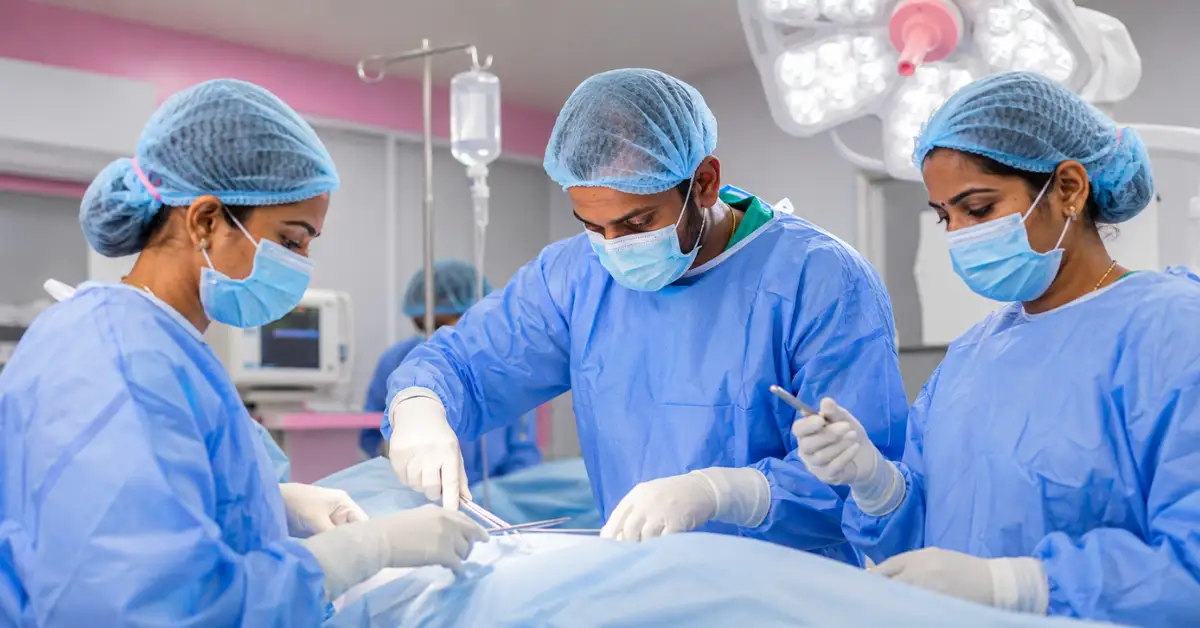
Minimally Invasive Surgery

Advanced care includes small-incision surgeries, minimally invasive gynaecological surgery, and better recovery support to help patients heal faster and with
Minimally Invasive Surgery

Minimally Invasive Surgery is a modern surgical approach that treats conditions through small incisions instead of one large cut, using thin cameras and fine instruments to operate with precision while keeping pain, scarring, and recovery time to a minimum. It has become the preferred choice for many gynaecological, abdominal, and joint conditions because it lets patients heal faster and get back to daily life sooner. If you are exploring options for Minimally Invasive Surgery in Chennai, this guide covers the types, benefits, recovery process, and everything else you need to know before going ahead.

What is Minimally Invasive Surgery?

  • Minimally invasive surgery is a group of techniques that let doctors operate through very small incisions instead of one large opening. Surgeons insert a thin tube with a tiny camera, called an endoscope, along with slim instruments through these small ports. The camera sends a magnified image to a screen, letting the surgical team work with precision while causing far less disruption to surrounding skin and tissue.
  • This is not a single procedure but a surgical philosophy applied across many fields, from gynaecology to orthopaedics to cardiac care. The exact technique depends on the body part, the condition, and the surgeon's experience. Many patients searching for Minimally Invasive Surgery are surprised by how routine and well-established these methods now are.

Types of Minimally Invasive Surgery

Different conditions call for different minimally invasive approaches:

  • Laparoscopic Surgery: The surgeon makes two or three small abdominal cuts and inserts a laparoscope with surgical tools. It is commonly used for gallbladder removal, hernia repair, ovarian cyst removal, fibroid removal, and hysterectomy, and recovery is noticeably quicker than open surgery.
  • Robotic-Assisted Surgery: The surgeon sits at a console and controls robotic arms fitted with instruments and a 3D camera. The system translates hand movements into smaller, more precise actions while filtering out tremor, helping with complex hysterectomies, prostate removal, and pelvic reconstruction.
  • Endoscopic Surgery: Instruments pass through a natural body opening, such as the mouth, nose, or cervix, so no external cut is needed at all. Hysteroscopy, where a scope examines and treats the uterus through the vagina, is a common example with very fast recovery.
  • Thoracoscopic Surgery: Also called video-assisted thoracic surgery, this uses a thoracoscope inserted between the ribs to diagnose and treat chest conditions without splitting the breastbone.
  • Arthroscopic Surgery: An arthroscope examines and repairs joints such as the knee, shoulder, hip, and ankle through a tiny incision, making procedures like ligament or cartilage repair far less disruptive.

Conditions for Minimally Invasive Surgery

Minimally invasive techniques are now used across nearly every surgical speciality, including:

  • Uterine fibroids and ovarian cysts
  • Endometriosis Surgery and pelvic adhesions
  • Gallstones and gallbladder disease
  • Hernias, including hiatal and inguinal hernia
  • Ectopic pregnancy
  • Heavy or abnormal uterine bleeding
  • Pelvic organ prolapse
  • Uterine polyps and septum
  • Appendicitis
  • Certain cancers of the colon, kidney, and reproductive organs
  • Spinal disc problems and joint injuries

Many women searching for Minimally Invasive Treatment in Chennai are dealing with one of these gynaecological concerns and want to know if a less invasive option exists before agreeing to major surgery. In most cases, it does.

Benefits of Minimally Invasive Surgery

Smaller incisions mean less trauma to the body, which adds up to real, everyday advantages:

  • Less pain after surgery, since smaller cuts mean fewer nerve endings are disturbed
  • Reduced blood loss during the procedure
  • Lower risk of infection, because the wound area is minimal
  • Shorter hospital stay, with many procedures done on a day-care basis
  • Many patients are back to their normal routine in one to two weeks
  • Smaller, less visible scars
  • Lower risk of complications compared to open surgery in many cases
  • Less need for strong pain medication during recovery

These benefits explain why minimally invasive surgery is now the preferred approach for many gynaecological and general surgical procedures.

Minimally Invasive Surgery vs Open Surgery

Factor  Minimally Invasive Surgery  Open Surgery 
Incision size  Small, usually under half an inch  Larger, single incision 
Hospital stay  Often same-day or one night  Several days 
Pain levels  Generally mild to moderate  Often more significant 
Scarring  Minimal, barely visible  More noticeable 
Recovery time  One to two weeks for most cases  Four to six weeks or more 
Blood loss  Lower  Higher 
Infection risk  Lower  Comparatively higher 
Operating time  Can be longer due to specialised steps  Often shorter 
Suitability  Most planned, non-emergency cases  Complex, emergency, or extensive cases 

While minimally invasive surgery offers clear advantages, open surgery still has its place in emergencies or when the anatomy is too complex for a keyhole approach. A qualified surgeon recommends the technique best suited to your specific condition.

Who is a Good Candidate?

Most people needing planned, non-emergency surgery are reasonable candidates, including those with fibroids, ovarian cysts, gallstones, hernias, or other gynaecological conditions. Women looking into Minimally Invasive Surgery in Vadapalani or Minimally Invasive Surgery in Saligramam can get a one-on-one evaluation first. Suitability depends on:

  • Overall health, including any heart or lung conditions, since some procedures involve abdominal gas
  • The size and location of the condition
  • Scar tissue caused by earlier abdominal surgeries
  • Body weight, as very high BMI can sometimes make access harder
  • Whether the situation is an emergency, since these techniques take longer to set up

A thorough evaluation, including imaging and blood work, helps the surgical team decide if minimally invasive surgery suits you.

How to Prepare Before Surgery

Typical preparation steps include:

  • A pre-operative consultation reviewing your medical history and medications
  • Blood tests, imaging, and an ECG if needed to confirm fitness for anaesthesia
  • Fasting for a set number of hours, usually from the night before
  • Stopping certain medications, such as blood thinners, if advised
  • Arranging someone to accompany you home, since many procedures are day-care
  • Wear relaxed, easy-to-wear clothing on the day of surgery
  • Asking any questions about the procedure or recovery in advance

Feeling anxious before surgery is common, and addressing it openly is part of good care; read more about women's mental and holistic health if pre-surgery anxiety concerns you.

What Happens During the Procedure?

The exact steps of minimally invasive surgery depend on the condition being treated, but most procedures follow a similar process. Your surgical team will explain each step before the operation and answer any questions you may have. The procedure is performed using specialised instruments and a small camera, allowing the surgeon to operate with precision through tiny incisions.
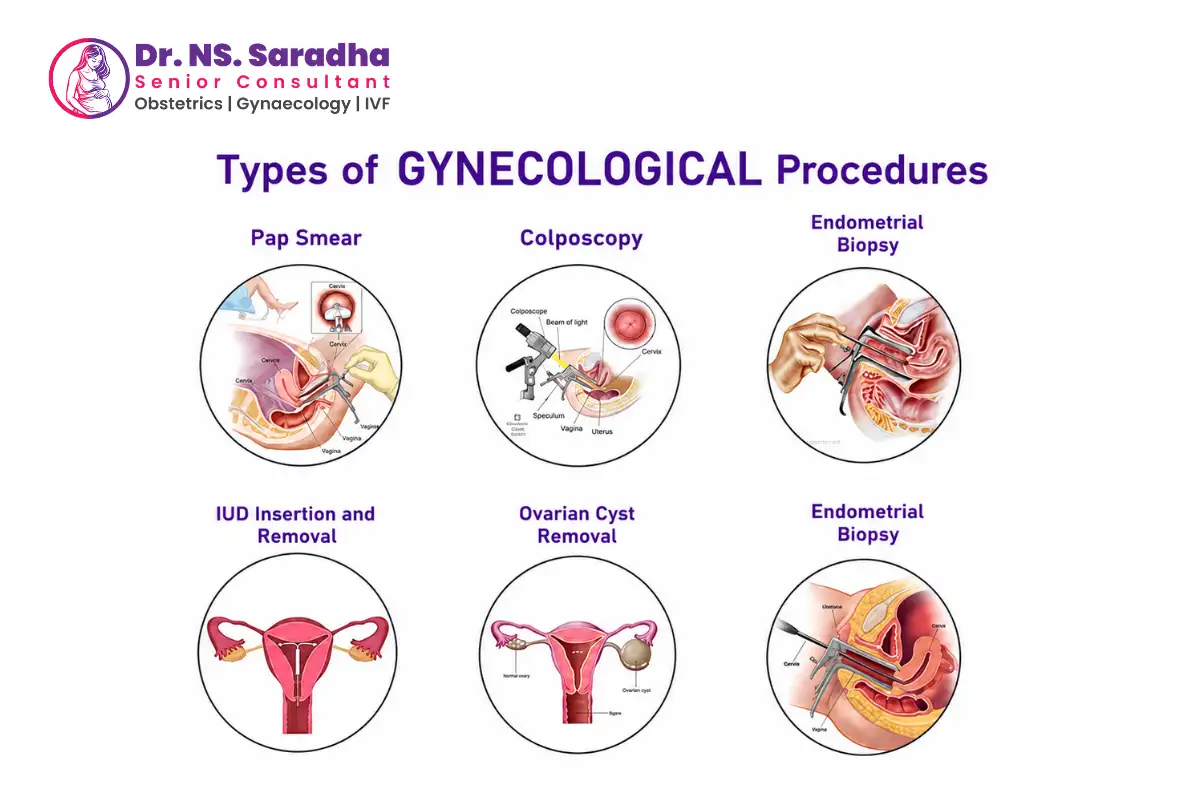
During the Procedure

  • Anaesthesia: You will receive general, regional, or local anaesthesia based on the type of surgery and your medical condition, ensuring you remain comfortable throughout the procedure.
  • Small Incisions: The surgeon makes one or more small incisions to insert a laparoscope (a thin camera) and specialised surgical instruments.
  • Creating Working Space: In laparoscopic procedures, carbon dioxide gas may be used to gently inflate the abdomen, providing a clear view and enough space to perform the surgery safely.
  • Performing the Surgery: Using live video images from the laparoscope, the surgeon carefully treats or removes the affected tissue with precision while minimising damage to surrounding structures.
  • Closing the Incisions: Once the procedure is complete, the instruments are removed, and the small incisions are closed with stitches, surgical glue, or adhesive strips.

After the Procedure

  • You will be moved to a recovery room, where your vital signs will be closely monitored as the anaesthesia wears off.
  • Most procedures take 30 minutes to 2 hours, depending on the complexity of the surgery.
  • Many patients can return home the same day, while others may stay overnight for observation before being discharged with recovery instructions.
Minimally Invasive Surgery

Recovery After Minimally Invasive Surgery

Recovery after Minimally Invasive Surgery in Chennai is usually quick and comfortable. Because the surgery uses small incisions, most patients have less pain, smaller scars, and a shorter hospital stay. Many people can return to their normal routine within a few days or weeks, depending on the type of surgery. Following your doctor's instructions and attending follow-up appointments will help you recover smoothly. 

  • Recovery Timeline: Most patients go home the same day or after one night. Mild discomfort, bloating, or shoulder pain (from laparoscopy gas) is common for two to three days, with most people feeling better within a week and fully recovered in one to two weeks.
  • Diet: A light, easily digestible diet is recommended for the first day or two, with plenty of hydration and a gradual return to normal eating. Avoid heavy, oily, or spicy foods until digestion settles.
  • Physical Activity: Gentle walking from day one helps reduce gas-related discomfort and clot risk. Avoid heavy lifting and intense exercise for two to four weeks, or as your surgeon advises.
  • Follow-up Care: A follow-up visit within one to two weeks checks on healing and addresses any questions. Attend it even if you feel fine, since some concerns are not obvious without an examination.

Warning Signs

Contact your surgeon promptly for:

  • Fever or chills
  • Increasing redness, swelling, or discharge at the incision site
  • Severe pain not controlled by medication
  • Heavy bleeding
  • Persistent nausea or vomiting
  • Difficulty urinating or passing stool

Risks and Possible Complications

Minimally invasive surgery is generally safer than open surgery, but it still carries some risk, including reactions to anaesthesia, bleeding, infection, injury to nearby organs, and, rarely, the need to convert to an open procedure. Gas used during laparoscopy can occasionally cause temporary shoulder discomfort. Patients with complex conditions, such as those covered under pelvic and abdominal conditions, may need a more detailed risk discussion with their surgeon before proceeding.

Advanced Surgical Care for Better Outcomes

The success of minimally invasive surgery depends on the surgical team, the technology used, and the care provided around the operation. A well-run programme typically includes:

  • Advanced laparoscopic technology for high-definition, magnified views
  • Personalized treatment plans built around each patient's diagnosis and goals
  • Experienced surgical team trained in keyhole and robotic-assisted techniques
  • Patient safety protocols from pre-operative screening to anaesthesia monitoring
  • Comprehensive pre- and post-operative care, including clear recovery guidance
  • Modern operation theatre with current-generation imaging and surgical systems

Patients seeking Minimally Invasive Surgery in Chennai can benefit from comprehensive surgical care and individualized treatment under Dr. N. S. Saradha, who focuses on evidence-based techniques and patient-centered recovery. Her clinic offering Minimally Invasive Surgery in Vadapalani operates out of SIMS Hospitals, while Minimally Invasive Surgery in Saligramam is available at the Agna Clinic, making this care accessible across the city. To understand how these techniques apply to your condition, see this overview of laparoscopic procedures.

Latest Advances in Minimally Invasive Surgery

Surgical technology has improved over the years, making treatments safer and more accurate. Today, Minimally Invasive Surgery in Chennai offers advanced surgical care with smaller cuts, less pain, quicker recovery, and a shorter hospital stay for many gynaecological conditions. 

  • 3D laparoscopy gives depth perception that 2D cameras lack, improving accuracy
  • Robotic surgery continues expanding into complex gynaecological procedures
  • Enhanced Recovery After Surgery (ERAS) combines pain management, early movement, and nutrition to speed healing
  • Improved imaging systems, including fluorescence-guided imaging, help identify tissue planes and vessels clearly

Read more about robotic assisted surgery to see how this technology is applied in gynaecological care today.

Statistics and Clinical Evidence

  • According to the Mayo Clinic, minimally invasive surgery is generally linked to less pain, a shorter hospital stay, and fewer complications than open surgery, and has become increasingly preferred by surgeons over the past two decades.
  • Cleveland Clinic outlines measurable benefits including reduced trauma, blood loss, infection risk, and scarring, noting that while operating time can be longer, recovery is much faster, with many patients going home the same day and wounds healing within weeks.
  • A clinical editorial in the São Paulo Medical Journal notes that the most widely cited benefits of reducing surgical access trauma are less postoperative pain, less bleeding, a smaller inflammatory response, and better cosmetic results, though evidence strength varies by procedure and specialty.
  • This evidence reinforces why minimally invasive surgery is now the standard recommendation for many planned procedures.

Conclusion

Choosing the right treatment is an important decision, and Minimally Invasive Surgery in Chennai offers a safe and effective option for many gynaecological conditions. With smaller incisions, less pain, minimal scarring, and faster recovery, it helps many patients return to their daily routine sooner. However, the best treatment depends on your individual condition and overall health. If you are considering Minimally Invasive Treatment in Chennai, consult an experienced specialist to understand your options and choose the most suitable treatment for your needs.

Frequently Asked Questions

Common questions about Minimally Invasive Surgery and our services

Minimally invasive surgery uses small incisions and specialised instruments to perform procedures such as laparoscopy and hysteroscopy, resulting in less pain, reduced scarring, and faster recovery than open surgery.

Conditions including endometriosis, fibroids, ovarian cysts, ectopic pregnancy, heavy bleeding, and pelvic organ prolapse can all be effectively treated using minimally invasive surgical techniques.

Recovery times vary depending on the procedure, but most patients return to normal activities within one to two weeks, compared to four to six weeks typically required after open surgery.

Yes, minimally invasive surgery is generally safe and is associated with lower complication rates, reduced blood loss, shorter hospital stays, and better cosmetic outcomes compared to traditional open surgery.

Laparoscopy involves inserting a camera through a small abdominal incision to view the pelvic organs, while hysteroscopy passes a camera through the cervix to examine the inside of the uterus.

It depends on the procedure. Some surgeries require general anaesthesia, while others, like hysteroscopy, use light sedation or local anaesthesia.

Most laparoscopic procedures involve two to four small incisions, each typically under half an inch long.

They are related but not identical. Robotic surgery is controlled by the surgeon through a console for added precision, while standard laparoscopy is performed directly by hand.

Not always. Suitability depends on overall health, the condition’s complexity, and whether the situation is an emergency. Your surgeon will assess this individually.

If you have persistent pain, abnormal bleeding, or symptoms affecting daily life, get evaluated early, since minimally invasive treatment works best when caught sooner. Review the full range of conditions we treat to see if your symptoms match.

Need Medical Assistance? Book an Appointment Now!

Take the first step toward better women’s health with expert, compassionate care at Dr. N.S. Saradha Women’s Health Centre. Get accurate diagnosis, advanced treatments, and personalized care designed to support safe recovery and long-term wellness at every stage of life.