
A burning feeling when you pass urine is one of the most common reasons people visit a gynecologist or general physician. It can be mild and pass in a day, or it can be a sign that your body needs some help fighting an infection. This guide explains what a burning sensation after urination usually means, why it happens, and what you can do about it. It is written with input from Dr. N.S. Saradha, an obstetrician-gynecologist who sees this concern often in her Chennai clinic.
What Does Burning After Urination Feel Like?
People describe this feeling in different ways, but it usually shows up as one or more of the symptoms below. Some notice it only for a second or two while urinating, while others feel it linger for several minutes afterward.
- A sharp or stinging feeling as urine passes
- A hot or scalding sensation near the urethra
- An ache or raw feeling that stays after you finish
- A need to urinate again soon, even with an empty bladder
- Mild discomfort in the lower belly along with the burning
The intensity can range from a small twinge to a feeling strong enough to make you dread using the bathroom. Burning sensation after urination can also change through the day, feeling worse in the morning when urine is more concentrated.
Is Burning After Urination Normal?
An occasional mild sting, especially after eating spicy food or having very concentrated urine, is usually not something to worry about. However, burning that happens every time you urinate, lasts more than a day, or comes back often is not something your body should just get used to. It usually points to an infection or irritation that needs attention rather than a normal daily sensation. Paying attention to how often it happens and what else comes with it will help you and your doctor figure out the cause quickly.
When Should You Be Concerned About Burning After Urination?
You should take note when burning sensation after urination lasts more than one day, keeps returning, or comes with fever, back pain, or visible blood in the urine. These signs suggest the infection may have moved beyond the bladder or that another condition is involved. Burning during pregnancy also deserves a same-week check, since untreated urinary infections can affect both mother and baby. If you are unsure whether your symptoms need a visit, a quick call to your doctor’s clinic is always a reasonable first step.
Common Causes of Burning Sensation After Urination
Several conditions can cause this symptom, and the right treatment depends on finding the correct one. Here is a quick overview before we look at each cause in detail:
- Urinary tract infection (UTI)
- Sexually transmitted infections (STIs)
- Bladder or urinary tract inflammation
- Kidney or bladder stones
- Vaginal infections and irritation
- Prostatitis in men
- Dehydration and concentrated urine
- Irritation from soaps, hygiene products, or medications
Urinary Tract Infection (UTI)
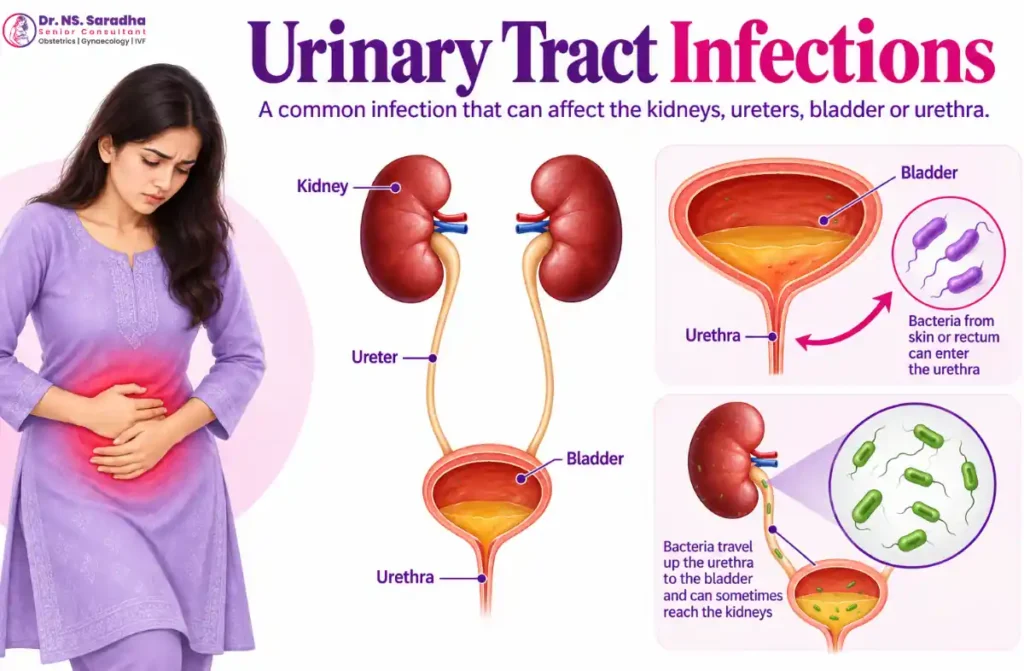
A UTI happens when bacteria enter the urinary tract, usually through the urethra, and multiply in the bladder. It is the single most common cause of burning sensation after urination, especially in women, because a shorter urethra makes it easier for bacteria to travel up. Along with burning, a UTI often causes a frequent urge to urinate, cloudy urine, and a dull ache in the lower belly. Most UTIs clear up quickly once a doctor confirms the diagnosis with a simple urine test and prescribes the right antibiotic.
Sexually Transmitted Infections (STIs)
Infections such as chlamydia and gonorrhea can irritate the urethra and cause a burning feeling that is easy to mistake for a UTI. These infections may also bring unusual discharge, pelvic discomfort, or no other symptoms at all in the early stages. Because STIs need a different treatment approach than a typical UTI, testing is important rather than guessing based on symptoms alone. Early diagnosis also protects your partner and helps prevent longer-term complications.
Bladder or Urinary Tract Inflammation
Sometimes the bladder lining becomes inflamed without a clear infection being present, a condition doctors call cystitis or interstitial cystitis when it is long-lasting. This can cause burning after urination along with pelvic pressure and a frequent need to go, even when tests do not show bacteria. It tends to be triggered by certain foods, stress, or a reaction within the bladder lining itself. A doctor can help identify patterns and suggest bladder-friendly habits that ease the irritation over time.
Kidney or Bladder Stones
Small mineral deposits that form in the kidneys or bladder can irritate the urinary tract as they move, leading to a burning sensation after urination. Stones often come with sharp pain in the back or side, and sometimes blood in the urine, especially if a stone is passing through a narrow part of the tract. Not every stone causes pain immediately, so burning may be the first sign for some people. Imaging tests can confirm whether a stone is present and how large it is.
Vaginal Infections and Irritation
Yeast infections and bacterial vaginosis can cause burning as urine passes over irritated vaginal tissue, even though the infection itself is not in the urinary tract. This type of burning often comes with itching, unusual discharge, or a change in vaginal odor. Because the treatment for a vaginal infection is different from a UTI, an exam helps tell the two apart accurately. Left untreated, vaginal infections can become more uncomfortable, so early care usually brings quick relief.
Prostatitis in Men
In men, inflammation or infection of the prostate gland, known as prostatitis, is a common cause of burning sensation after urination. It can also bring pain in the lower back, groin, or between the scrotum and rectum, along with a frequent urge to urinate. Prostatitis can be caused by bacteria or can occur without a clear infection, so a doctor’s evaluation helps guide the right treatment. Many men see real improvement within a few weeks of starting appropriate care.
Dehydration and Concentrated Urine
When you do not drink enough water, urine becomes more concentrated with waste products and salts, which can sting as it passes through the urethra. This is one of the simplest and most fixable causes of burning after urination, often improving within a day of drinking more fluids. Hot weather, intense exercise, or skipping water through a busy workday can all lead to this kind of temporary irritation. If burning continues even after you increase your water intake, it is worth checking for an infection instead.
Irritation From Soaps, Hygiene Products, or Medications
Scented soaps, bubble baths, douches, and even some laundry detergents can irritate the sensitive skin around the urethra and genitals. Certain medications, including some chemotherapy drugs and pelvic radiation treatments, can also cause a burning feeling when urinating. This type of burning tends to improve once the irritating product is stopped or switched to a milder, fragrance-free option. If switching products does not help within a few days, it is a good idea to rule out an infection as well.
Burning Sensation After Urination in Women
Women experience burning after urination more often than men, largely because of anatomy and the number of possible causes involving the reproductive system. Dr. N.S. Saradha sees this concern regularly in her gynecology practice, since it often overlaps with vaginal health, hormonal changes, and pregnancy. The sections below look at the causes and situations that are most relevant for women.
Common Causes in Women
UTIs are the leading cause of burning sensation after urination in women, followed by vaginal infections such as yeast infections and bacterial vaginosis. Hormonal changes around menopause can also thin the vaginal and urethral tissue, making burning more likely even without an infection present. Tight synthetic underwear, prolonged use of panty liners, and certain contraceptive methods can add to irritation as well. A gynecologist can usually narrow down the cause quickly with a short exam and a urine or vaginal swab test.
Burning After Urination During Pregnancy
Burning during pregnancy is common because hormonal changes and pressure from the growing uterus make the urinary tract more prone to infection. Because untreated UTIs during pregnancy can lead to complications for both mother and baby, doctors recommend getting checked as soon as burning is noticed rather than waiting it out. Treatment options are chosen carefully to be safe for pregnancy, and most infections respond well to a short course of pregnancy-safe antibiotics. Regular prenatal urine screening also helps catch silent infections before symptoms even appear.
Burning After Urination With Vaginal Discharge or Itching
When burning comes together with vaginal discharge, itching, or a noticeable odor, a vaginal infection is often the underlying cause rather than the urinary tract alone. Yeast infections typically bring thick, white discharge and itching, while bacterial vaginosis often causes a thinner discharge with a distinct smell. Because home remedies do not always target the correct organism, a proper diagnosis leads to faster, more reliable relief. Treating both the infection and any irritation of the surrounding skin usually resolves the burning within a few days.
Burning Sensation After Urination in Men
While less common than in women, burning after urination in men is still a frequent reason for a clinic visit and should not be ignored. The causes in men often involve the prostate or urethra rather than the bladder alone.
Common Causes in Men
UTIs are less frequent in men but do occur, particularly in older men or those with an enlarged prostate that affects normal bladder emptying. Prostatitis and urethritis, which is inflammation of the urethra often linked to infection, are common causes of burning sensation after urination in men. Sexually transmitted infections are another important cause and should be considered, especially when burning appears along with discharge. A doctor’s exam and simple tests can usually identify the source within a single visit.
Burning After Urination With Penile Discharge
Discharge from the penis along with burning is a strong sign of a sexually transmitted infection, such as chlamydia or gonorrhea, or another form of urethritis. The discharge may be clear, white, or yellow, and can appear more noticeable in the morning. This combination of symptoms should be evaluated promptly, since some of these infections can lead to complications if left untreated for a long time. Testing both partners, when relevant, helps prevent the infection from being passed back and forth.
Burning After Urination and Frequent Urination
When burning is paired with a frequent urge to urinate, especially at night, the cause is often related to the prostate or bladder rather than a passing irritation. Benign prostate enlargement, which becomes more common with age, can add to these symptoms even when no infection is present. A doctor can check whether the prostate, bladder, or an infection is behind the pattern using a simple physical exam and urine test. Addressing the root cause usually brings noticeable relief within a short treatment period.
Burning After Urination With Other Symptoms
The symptoms that appear alongside burning often give the clearest clues about what is causing it. The sections below cover the most common combinations and what they may mean.
Burning and Frequent Urination
This is one of the most typical combinations seen with a UTI, since the infection irritates the bladder lining and creates a constant urge to empty it. You may feel like you need to urinate again just minutes after going, even when very little urine comes out. This pattern usually improves quickly once the correct antibiotic treatment begins. If frequent urination continues for weeks without burning, it may point to a separate issue and is worth mentioning to your doctor.
Burning and Blood in the Urine
Blood in the urine, even in a small amount that turns urine pink or slightly red, is usually a signal that the infection or irritation has affected the bladder lining more significantly. It can also happen with kidney or bladder stones as they move through the urinary tract. While this can look alarming, it is a common and treatable finding once the cause is identified through a urine test and, if needed, imaging. It is still worth getting checked promptly rather than waiting for it to resolve on its own.
Burning and Lower Abdominal Pain
A dull ache or cramping in the lower belly along with burning often points to bladder involvement, and in women, it can sometimes involve the reproductive organs as well. This combination is common with bladder infections and, in some cases, pelvic inflammatory disease if left unaddressed. Because the exact source can vary, a physical exam helps determine whether the pain is coming from the bladder, uterus, or ovaries. Getting this evaluated early usually means simpler and faster treatment.
Burning and Back or Side Pain
Pain in the back or side, particularly just below the ribs, can mean the infection has traveled up to the kidneys, a condition known as pyelonephritis. This combination is taken more seriously than a simple bladder infection because kidney infections can become more serious if not treated promptly. Fever often comes along with this pattern as well. A same-day visit is recommended whenever burning is paired with back or side pain.
Burning With Fever or Chills
Fever or chills alongside burning after urination suggest the body is fighting a more significant infection, possibly one that has reached the kidneys or bloodstream. This combination should not be managed at home and needs prompt medical evaluation, usually including blood tests along with a urine test. Most people start feeling better within a day or two of starting the correct treatment. Rest and fluids can help alongside medical care but should not replace it.
Burning and Unusual Genital Discharge
Discharge that looks or smells different from usual, paired with burning, often points toward a vaginal infection in women or urethritis in men. The color, thickness, and odor of the discharge can help a doctor narrow down the likely cause before test results even come back. This combination is a common reason people delay seeking care out of discomfort discussing it, but it is a routine and non-judgmental part of a gynecology or general physician visit. Prompt evaluation usually leads to a clear diagnosis and quick relief.
How Is the Cause of Burning After Urination Diagnosed?
Finding the exact cause of burning sensation after urination usually takes just one clinic visit with a few simple tests. Your doctor will ask about your symptoms, medical history, and any recent changes before deciding which tests are needed.
Urine Tests
A urine test, often called a urinalysis, checks for bacteria, blood, and white blood cells that point to infection or inflammation. This is usually the first and quickest test done, with results for a basic urinalysis often available the same day. If bacteria are found, a urine culture may be sent to identify the exact type and the antibiotic it will respond to best. This step ensures the treatment you receive actually targets the organism causing your symptoms.
STI Testing
When symptoms or risk factors suggest a possible sexually transmitted infection, your doctor may recommend a swab or urine-based STI test. These tests are private and routine, and results typically come back within a few days. Testing both partners, when appropriate, helps make sure the infection does not pass back and forth after treatment. Your doctor will discuss results with you clearly and confidentially.
Physical Examination
A physical exam allows your doctor to check for tenderness, swelling, or unusual discharge that a urine test alone would not reveal. For women, this may include a pelvic exam to check for vaginal infections or irritation. For men, it may include a check of the prostate and genital area. This step is usually quick and helps confirm or narrow down what the lab tests suggest.
When Imaging Tests May Be Needed
If your doctor suspects kidney stones, a structural issue, or a kidney infection, an ultrasound or CT scan may be recommended to get a clearer picture. Imaging is not needed for most simple UTIs, so this step is reserved for cases with recurring infections, severe pain, or blood in the urine. These scans are painless and give useful detail about the kidneys, bladder, and urinary tract. Your doctor will only order imaging when it will genuinely help guide your treatment.
Treatment for Burning Sensation After Urination
Treatment depends entirely on the underlying cause, which is why an accurate diagnosis matters more than guessing at home. Most causes of burning after urination respond well once the right treatment begins.
Treatment for a UTI
A short course of antibiotics, usually lasting three to seven days, clears most uncomplicated UTIs effectively. Symptoms often start improving within a day or two of starting the medication, though it is important to finish the full course even if you feel better sooner. Drinking plenty of water alongside antibiotics can help flush the urinary tract and ease discomfort. Recurrent UTIs may need a longer look at contributing habits or, occasionally, a longer preventive course.
Treatment for STIs
Bacterial STIs such as chlamydia and gonorrhea are treated with specific antibiotics chosen based on the confirmed infection. It is important to avoid sexual contact until treatment is complete and your doctor confirms the infection has cleared. Partners often need testing and treatment as well, even if they have no symptoms, to prevent reinfection. Following up with your doctor after treatment ensures the infection has fully resolved.
Treatment for Vaginal or Genital Infections
Yeast infections are typically treated with antifungal creams or a single oral tablet, while bacterial vaginosis needs a specific antibiotic, usually as a cream or tablet course. Choosing the right treatment depends on identifying which infection is present, since the wrong treatment will not resolve the burning. Most women notice relief within two to three days of starting the correct medication. Avoiding scented products during treatment helps the irritated tissue heal faster.
Treatment for Kidney or Bladder Stones
Small stones often pass on their own with increased water intake and, if needed, medication to help ease their passage and reduce discomfort. Larger stones may require a procedure to break them up or remove them, depending on their size and location. Your doctor will recommend the right approach based on imaging results and how much discomfort the stone is causing. Follow-up care often includes dietary guidance to reduce the chance of new stones forming.
When Antibiotics May Be Prescribed
Antibiotics are prescribed only when a bacterial infection is confirmed or strongly suspected based on your symptoms and test results. The specific antibiotic, dose, and length of treatment depend on the type of infection and, for women who are pregnant, on what is safe during pregnancy. Taking the complete course as prescribed, even after symptoms improve, helps prevent the infection from returning or becoming resistant to treatment. Your doctor will explain exactly how and when to take your medication.
Home Care for Burning After Urination
Alongside any medical treatment, a few simple habits at home can ease discomfort and support recovery. These steps work best together with proper diagnosis and treatment, not as a replacement for them.
Drink Enough Water
Increasing your water intake helps dilute urine and flush bacteria or irritants out of the urinary tract more quickly. Aim for pale yellow urine as a general guide that you are drinking enough through the day.
- Drink water steadily through the day rather than large amounts at once
- Cranberry juice or supplements may offer mild support but are not a substitute for treatment
- Limit caffeine and alcohol, which can further irritate the bladder
- Reduce spicy and highly acidic foods until symptoms settle
These small diet adjustments often bring noticeable relief within a day or two when dehydration or mild irritation is the cause.
Avoid Potential Irritants
Scented soaps, bubble baths, douches, and heavily fragranced sanitary products can all worsen irritation around the urethra and genitals. Switching to mild, fragrance-free soap and avoiding douching gives irritated tissue a chance to heal. Wearing breathable cotton underwear instead of tight synthetic fabric also reduces friction and moisture buildup. These changes are simple but can meaningfully reduce how often burning sensation after urination occurs.
Practice Good Genital Hygiene
Wiping from front to back after using the bathroom helps prevent bacteria from the bowel from reaching the urethra, especially important for women. Urinating shortly after sexual activity also helps flush out bacteria before they can cause an infection. Changing out of wet swimwear or sweaty clothing promptly reduces the moist environment bacteria prefer. These habits are easy to build into a daily routine and offer real protection over time.
Avoid Self-Medicating With Antibiotics
Taking leftover or borrowed antibiotics without a proper diagnosis can mask symptoms without actually treating the real cause. It can also make future infections harder to treat if the bacteria become resistant to that medication. Burning after urination has several possible causes, and the wrong treatment will not resolve the underlying problem. Seeing a doctor for a quick test ensures you get the medication that will actually work.
When to See a Doctor for Burning After Urination
Most causes of burning sensation after urination are straightforward to treat once identified, and seeing a doctor early usually means a faster, simpler recovery.
Warning Signs That Need Prompt Medical Attention
- Burning that lasts more than a day or keeps returning
- Fever, chills, or feeling generally unwell
- Blood in the urine
- Pain in the back or side, below the ribs
- Burning during pregnancy
- Unusual discharge from the vagina or penis
If you notice any of these signs, scheduling a visit within the next day or two is a sensible next step rather than waiting it out.
When Burning After Urination Requires Emergency Care
Seek urgent care if burning comes with high fever, severe back pain, vomiting, or confusion, since these can be signs of a kidney infection spreading further. Inability to urinate at all, along with pain, also needs prompt attention rather than a routine appointment. Pregnant women with fever and burning should be seen the same day given the added considerations for both mother and baby. Trusting your instincts about feeling seriously unwell is always reasonable when deciding to seek emergency care.
Conclusion
Burning sensation after urination is uncomfortable, but it is also one of the most treatable symptoms in everyday medical practice. Whether the cause is a simple UTI, dehydration, or something that needs a closer look, an accurate diagnosis is the fastest route to feeling better. Dr. N.S. Saradha and her clinic team see this concern regularly and focus on clear explanations and comfortable, respectful care at every visit. If burning after urination is bothering you, reaching out for a proper check is a simple step toward quick relief.
Visit Dr. N.S. Saradha
Dr. N.S. Saradha’s clinic is located in Saligramam, Chennai, and welcomes women and families seeking gynecology, fertility, and general women’s health care in a comfortable, accessible setting. The clinic is easy to reach by road and public transport, with appointment slots available for both routine concerns and same-day symptoms like burning after urination. You can call the clinic directly or book online to find a convenient time.