Fibroids are common growths that form in or around the uterus. Many women have them without even knowing, since fibroids often cause no symptoms at all. But when fibroids grow large or press on nearby organs, they can lead to heavy periods, pelvic pain, or trouble getting pregnant. In such cases, doctors may suggest laparoscopic surgery for fibroids as a safe way to remove them while keeping the uterus intact.
This method uses small cuts instead of one large incision. A thin tube with a camera, called a laparoscope, helps the surgeon see inside the body clearly. Dr. N.S. Saradha has performed this procedure for many years and focuses on giving each woman a treatment plan suited to her fibroid size, age, and future family plans.
Understanding Uterine Fibroids
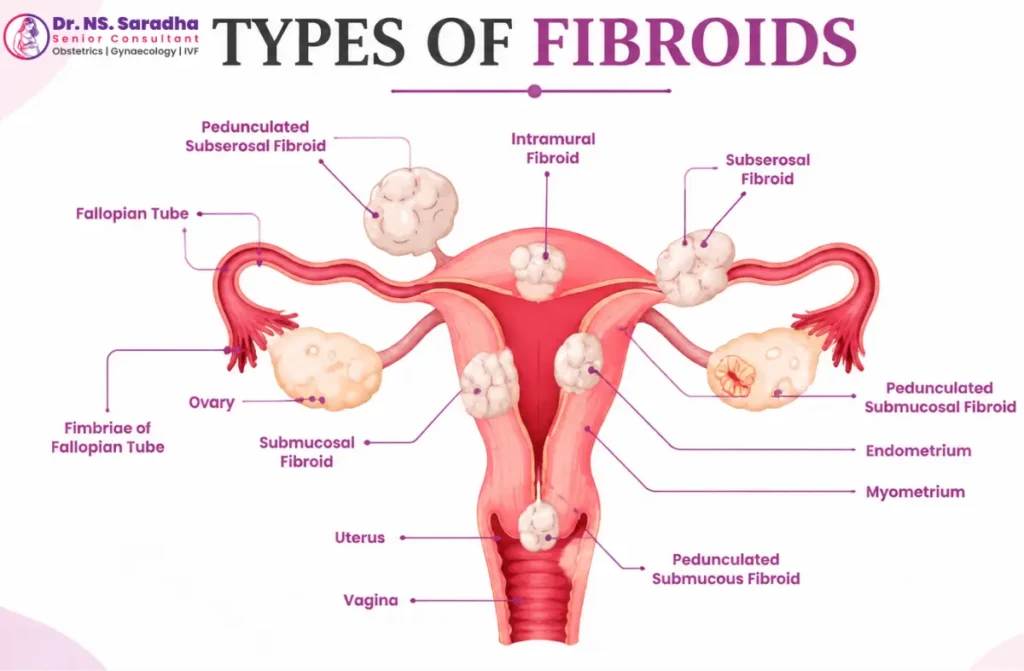
Uterine fibroids are muscle tissue growths that develop within the wall of the uterus. They can be as small as a seed or as large as a melon, and a woman may have just one or several at the same time. Fibroids are not cancer, and most of them grow slowly over several years.
Doctors group fibroids by where they sit in the uterus:
- Intramural fibroids, which grow within the muscle wall
- Subserosal fibroids, which grow on the outer surface of the uterus
- Submucosal fibroids, which grow just under the inner lining
- Pedunculated fibroids, which grow on a thin stalk
The type, size, and position of a fibroid all play a role in deciding the right treatment.
What Is Laparoscopic Myomectomy?
Laparoscopic myomectomy is the surgical removal of fibroids while the uterus is left in place. The surgeon makes a few small cuts in the abdomen, usually no bigger than half an inch each. Through these cuts, thin surgical tools and a camera are inserted to locate and remove the fibroids one by one.
This approach is often chosen by women who wish to keep their uterus, whether for future pregnancy or personal reasons. Because the muscle wall is repaired carefully during the procedure, most women recover their normal uterine function within a few months.
How It Differs from Open Fibroid Surgery
Open fibroid surgery, also called abdominal myomectomy, involves one long cut across the lower abdomen. The surgeon works through this single opening to remove the fibroids directly.
Laparoscopic surgery takes a different path. Instead of one large cut, it uses three or four small ones. The camera gives the surgeon a magnified, detailed view of the uterus, which often allows for more precise removal. Because the cuts are smaller, healing tends to be quicker and scarring is far less noticeable.
Who Is a Candidate for Laparoscopic Fibroid Surgery?
Not every woman with fibroids needs surgery, and not every woman who needs surgery is suited for the laparoscopic approach. Dr. N.S. Saradha reviews each case individually, looking at symptoms, fibroid characteristics, and overall health before recommending this option.
Symptoms That May Require Surgery
Some fibroid symptoms can be managed with medication or simply monitored over time. Others call for surgical treatment. Common symptoms that may lead a doctor to recommend surgery include:
- Heavy or prolonged menstrual bleeding
- Ongoing pelvic pain or pressure
- Frequent urination caused by pressure on the bladder
- Lower back pain
- Pain during intercourse
- Difficulty conceiving linked to fibroid position
Fibroid Size, Number, and Location
The physical details of a fibroid matter a great deal in surgical planning. Small to medium-sized fibroids, generally up to around 10 to 12 centimetres, are usually well suited to the laparoscopic method. The number of fibroids also matters, since removing several at once takes more surgical time and skill.
Location plays an equally important role. Fibroids that sit closer to the outer or middle layers of the uterus are typically easier to access through small incisions than those buried deep within the muscle wall.
When Laparoscopic Surgery Is Not Recommended
There are situations where this method may not be the best choice. These include very large fibroids, a very high number of fibroids, certain positions that are hard to reach with laparoscopic tools, or other medical conditions that make minimally invasive surgery riskier. In these cases, open surgery or an alternative treatment plan may be recommended instead.
Types of Laparoscopic Surgery for Fibroids
There is more than one way to perform laparoscopic surgery for fibroids, and the right type depends on the woman’s symptoms, fibroid details, and whether she wishes to preserve her uterus.
Laparoscopic Myomectomy
This is the most common choice for women who want to keep their uterus. The surgeon removes each fibroid individually through small incisions while repairing the uterine wall as the procedure progresses. It is often recommended for women who plan to have children in the future.
Laparoscopic Hysterectomy
For women who have completed their family or who have very large or numerous fibroids, laparoscopic hysterectomy may be suggested. This procedure removes the uterus itself through small incisions, which permanently resolves fibroid symptoms. It is only recommended after a full discussion of the woman’s goals and health history.
Robot-Assisted Laparoscopic Surgery
Robot-assisted surgery builds on the standard laparoscopic method by adding robotic arms that the surgeon controls with great precision. This can be helpful for fibroids in harder-to-reach positions, offering steady movement and a magnified three-dimensional view during the procedure.
How Is Laparoscopic Fibroid Surgery Performed?
Understanding the surgical process can help ease any uncertainty before the day of surgery, since laparoscopic surgery for fibroids follows a structured set of steps designed to keep the procedure safe and efficient.
Preoperative Preparation
Before surgery, the doctor reviews the woman’s full medical history and runs the needed scans and blood tests. Fasting is usually required for several hours before the procedure, and any regular medications are reviewed to see if adjustments are needed. This preparation stage helps the surgical team plan the exact approach for each fibroid.
Step-by-Step Surgical Procedure
The surgery generally follows this sequence:
- The woman is given general anaesthesia so she remains asleep and pain-free
- A small cut is made near the navel to insert the laparoscope
- The abdomen is gently filled with gas to create space for the surgeon to work
- Additional small cuts are made for surgical instruments
- The fibroids are carefully separated from healthy tissue and removed
- The uterine wall is stitched and repaired in layers
- The instruments are withdrawn and the small incisions are closed
Duration of the Surgery
Most laparoscopic fibroid procedures take between one and three hours, though the exact time depends on the number and size of the fibroids being removed. Larger or more complex cases may take longer, and the surgical team will always prioritise thoroughness and safety over speed.
Benefits of Laparoscopic Surgery for Fibroids
Choosing laparoscopic surgery for fibroids offers several practical advantages compared with traditional open surgery, which is why it has become a preferred option for many suitable candidates.
Smaller Incisions
Because the procedure uses only a few small cuts, there is far less disruption to the surrounding skin and muscle. This also lowers the chance of wound-related complications during healing.
Less Pain and Blood Loss
Smaller incisions generally mean less discomfort after surgery. Blood loss during the procedure also tends to be lower than with open surgery, which supports a smoother recovery.
Faster Recovery
Many women are able to return to light daily activities sooner after laparoscopic surgery compared with open surgery, since the body has less tissue to heal.
Reduced Hospital Stay
Hospital stays after laparoscopic fibroid surgery are usually shorter, often just one to two days, allowing women to continue their recovery in the comfort of home.
Better Cosmetic Results
The small incisions used in this procedure heal into faint scars over time, which is a welcome benefit for many women compared with the longer scar left by open surgery.
Risks and Possible Complications
Every surgical procedure carries some level of risk, and it is important to understand these clearly before moving forward. Dr. N.S. Saradha discusses all relevant risks with each patient during consultation so that decisions are made with full information.
Bleeding and Infection
As with any surgery, there is a small chance of bleeding or infection at the incision sites. The surgical team takes standard precautions, including sterile technique and careful monitoring, to keep this risk low.
Injury to Nearby Organs
Because the bladder, bowel, and blood vessels sit close to the uterus, there is a small possibility of accidental injury during surgery. Experienced surgical technique and careful imaging beforehand help reduce this risk.
Fibroid Recurrence
New fibroids can sometimes develop after surgery, particularly in women who are younger or have multiple fibroids at the time of the first procedure. Regular follow-up visits help catch any new growth early.
Fertility Considerations
For women planning future pregnancy, the surgeon takes extra care while repairing the uterine wall to support healthy healing. Most women who undergo myomectomy for fertility reasons are able to conceive successfully afterward.
Recovery After Laparoscopic Fibroid Surgery
Recovery is generally smooth for most women, though it is helpful to know what to expect at each stage.
Hospital Stay
Most women stay in the hospital for one to two days after surgery, allowing the medical team to monitor early healing before discharge.
Recovery Timeline
Mild discomfort in the first few days is normal and is managed with prescribed pain relief. Most women feel noticeably better within one to two weeks, with full internal healing continuing over four to six weeks.
Postoperative Care Tips
- Rest adequately during the first week
- Avoid heavy lifting until cleared by the doctor
- Keep the incision sites clean and dry
- Attend all scheduled follow-up appointments
- Eat a balanced diet to support healing
When to Resume Normal Activities
Light activities such as walking can usually begin within a few days. Most women return to desk-based work within two to three weeks, while strenuous activity and exercise are generally paused for four to six weeks, based on the doctor’s advice.
Preparing for Laparoscopic Fibroid Surgery
Good preparation helps the surgery go smoothly and supports a quicker recovery afterward.
Medical Tests Before Surgery
Before the procedure, the doctor usually requests blood tests, an ultrasound scan, and sometimes an MRI to map the exact size and position of each fibroid. General health checks confirm the woman is fit for anaesthesia.
Medications to Avoid
Certain medications, such as blood thinners and some pain relievers, may need to be paused before surgery. The doctor provides clear guidance on which medicines to stop and when it is safe to resume them.
Lifestyle and Dietary Recommendations
In the days leading up to surgery, eating light, nutritious meals and staying well hydrated supports the body’s readiness for the procedure. Avoiding smoking and alcohol beforehand also supports better healing afterward.
Cost of Laparoscopic Surgery for Fibroids
Factors Affecting the Cost
The overall cost depends on several factors, including the number and size of fibroids, the length of the surgery, the hospital stay, and any additional tests required. Every woman’s case is different, so costs can vary from one patient to another.
Insurance Coverage
Many health insurance plans cover fibroid surgery when it is considered medically necessary. It is a good idea to check directly with the insurance provider about coverage details before the procedure.
Additional Expenses to Consider
Beyond the surgery itself, additional costs may include preoperative tests, anaesthesia charges, medications, and follow-up consultations. Discussing a full cost estimate with the clinic ahead of time helps with planning.
Pregnancy After Laparoscopic Fibroid Surgery
Chances of Pregnancy
Many women go on to conceive successfully after laparoscopic myomectomy, particularly when fibroids were affecting the uterine cavity before surgery. Removing the fibroid often improves the chances of a healthy pregnancy.
Recommended Waiting Period Before Conceiving
Doctors generally advise waiting three to six months before trying to conceive, giving the uterine wall enough time to heal fully and regain its strength.
Pregnancy Outcomes After Surgery
Most women who become pregnant after this surgery go on to have healthy pregnancies. The doctor will monitor the uterine scar during pregnancy and may recommend a planned delivery approach based on individual healing.
Laparoscopic Surgery vs Open Surgery for Fibroids
Comparing these two approaches helps explain why laparoscopic surgery for fibroids has become the preferred choice for many suitable cases.
Differences in Procedure
Open surgery uses one long incision across the lower abdomen, while laparoscopic surgery uses several small incisions along with a camera-guided approach. The core goal of removing fibroids is the same, but the technique used to reach them is quite different.
Recovery Comparison
Recovery after laparoscopic surgery is generally quicker, with shorter hospital stays and an earlier return to daily routines. Open surgery typically involves a longer hospital stay and a more gradual return to normal activity.
Which Option Is Better?
Neither option is automatically better for everyone. The right choice depends on fibroid size, number, and location, along with the woman’s overall health and future plans. Dr. N.S. Saradha reviews each case individually to recommend the option best suited to that woman’s needs.
When Should You See a Doctor?
Warning Signs That Need Medical Attention
It is worth booking a consultation if you notice heavy periods that disrupt daily life, ongoing pelvic pain, a feeling of pressure or fullness in the lower abdomen, or difficulty conceiving. Early evaluation allows more treatment options to be considered.
Questions to Ask Your Gynecologist
- What size and how many fibroids do I have?
- Which treatment options suit my situation?
- Will this surgery affect my future fertility?
- What is the expected recovery time?
- What are the possible risks in my specific case?
Conclusion
Fibroids are a common condition, and modern treatment options make managing them far more manageable than in the past. Laparoscopic surgery for fibroids offers a well-established, minimally invasive path to relief for many women, with smaller incisions, quicker recovery, and good long-term outcomes. Dr. N.S. Saradha works closely with each patient to understand her symptoms and goals, building a treatment plan that fits her individual needs. If fibroid symptoms are affecting your daily life, a consultation is a helpful first step toward finding the right solution.