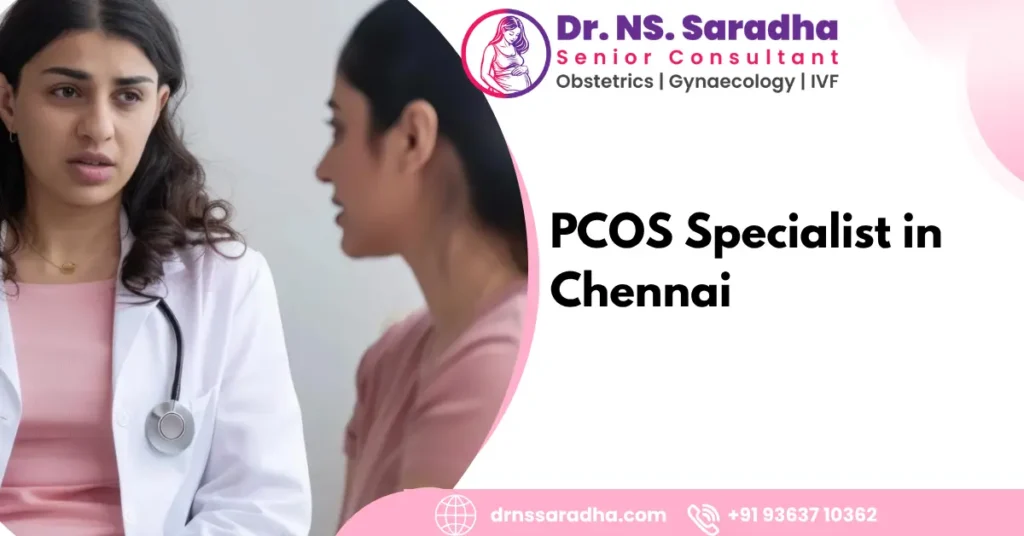
Living with irregular periods, unexpected weight changes, or trouble conceiving can feel confusing when you don’t know what’s causing it. Dr. N.S. Saradha works closely with women across the city as a PCOS Specialist in Chennai, helping them understand what’s happening in their bodies and what steps actually help. Every treatment plan starts with listening, not assumptions, because no two women experience PCOS the same way.
What Is PCOS?
Understanding Polycystic Ovary Syndrome
PCOS, or Polycystic Ovary Syndrome, is a hormonal condition that affects how the ovaries work. It happens when the ovaries produce higher-than-usual levels of male hormones called androgens, which can disrupt regular ovulation. Small fluid-filled sacs, called follicles, may form around the ovaries and prevent eggs from releasing normally. This condition is common and affects roughly 1 in 5 women in India during their reproductive years. It can appear at any point after puberty, though many women first notice symptoms in their late teens or twenties.
How PCOS Affects Women’s Health
PCOS goes beyond irregular periods. It can influence metabolism, skin health, hair growth patterns, and long-term risks like type 2 diabetes and high cholesterol. Some women notice mood changes or low energy that they don’t immediately connect to their hormones. Because the condition touches so many parts of the body, treatment usually looks at overall health rather than just one symptom. Managing PCOS well often improves several areas of life at once, from skin clarity to sleep quality.
PCOS vs PCOD – What’s the Difference?
PCOS and PCOD are often used interchangeably, but they are not quite the same. PCOD (Polycystic Ovary Disease) is generally considered a milder condition where the ovaries release immature or partially mature eggs, which can often be managed through diet and lifestyle changes alone. PCOS is a more complex hormonal and metabolic disorder that usually needs medical management alongside lifestyle changes. Getting the right diagnosis matters, since the two conditions can call for different approaches to treatment.
Meet Dr. N. S. Saradha – Experienced Gynecology in Chennai
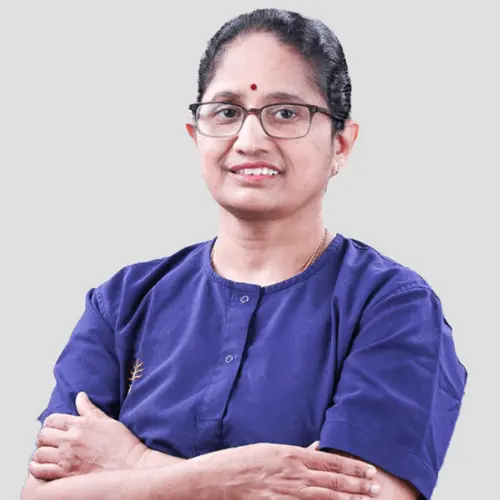
Dr. N. S. Saradha
- Qualification: MBBS, MS (Obstetrics & Gynecology)
- Specialization: Obstetrics, Gynecology & Fertility (IVF)
- Experience: 30+ Years
- Location: Vadapalani, Chennai
Dr. N. S. Saradha has spent over three decades working in women’s health, building a practice that covers everything from routine gynecological care to complex obstetric cases. She completed her MBBS before going on to earn her MS in Obstetrics and Gynecology, and that combination of broad training and hands-on experience shapes how she approaches every patient she sees.
Key Areas of Practice
Her day-to-day work covers a wide range of women’s health needs, including:
- Complete pregnancy care, from the first prenatal visit through delivery
- Laparoscopic and other minimally invasive gynecological procedures
- Fertility evaluations along with IUI, IVF, and ICSI treatment options
- Diagnosis and management of PCOS and other hormonal and menstrual conditions
- Support through menopause and the years leading up to it
- Regular preventive checkups and screenings for women at every life stage
- Specialized monitoring and care for high-risk pregnancies
Beyond these core areas, her practice also extends to conditions like endometriosis and uterine fibroids, and she works closely with couples facing fertility challenges to find the right path forward, whether that starts with a simpler approach like IUI or moves toward IVF or ICSI. Patients who visit her clinic in Vadapalani often mention her clear, no-nonsense way of explaining things and her steady hand with laparoscopic procedures.
Professional Affiliations and Recognition
Dr. Saradha maintains active memberships in recognized obstetrics and gynecology professional bodies, which keep her connected to the latest developments in the field. She follows an evidence-based approach to care and regularly updates her practice in line with current clinical guidelines, so patients can trust that their treatment reflects present-day medical standards
Common Symptoms of PCOS
Irregular or Missed Periods
One of the earliest signs of PCOS is a menstrual cycle that doesn’t follow a predictable pattern. Periods might arrive late, skip months entirely, or become unusually light or heavy. This happens because irregular ovulation disrupts the hormonal signals that normally trigger a period. Tracking your cycle for a few months can give your doctor useful information during a consultation.
Excess Hair Growth and Acne
Higher androgen levels can lead to extra hair growth on the face, chin, chest, or back, a condition called hirsutism. Acne that appears along the jawline or persists into adulthood is another common sign. These changes happen because androgens affect hair follicles and oil glands in the skin. Treating the underlying hormonal imbalance often improves both symptoms over time, sometimes alongside dermatological support.
Weight Gain and Difficulty Losing Weight
Many women with PCOS notice weight gain around the abdomen that feels harder to shift than before. This is often linked to insulin resistance, which makes the body store fat more easily and burn it less efficiently. It’s not a matter of willpower; the hormonal environment genuinely works against typical weight-loss efforts. A treatment plan that addresses insulin sensitivity usually makes weight management noticeably easier.
Hair Thinning or Hair Loss
Some women experience thinning hair on the scalp, particularly near the crown, while noticing more hair growth elsewhere on the body. This pattern, sometimes called androgenic alopecia, is driven by the same hormonal shifts behind other PCOS symptoms. It can be distressing, but it usually responds well to hormonal treatment and targeted hair care. Addressing it early tends to give better results than waiting.
Difficulty Getting Pregnant
Irregular or absent ovulation is one of the most common reasons PCOS affects fertility. Without regular ovulation, the timing needed for natural conception becomes unpredictable. This doesn’t mean pregnancy isn’t possible; many women with PCOS conceive naturally or with medical support once ovulation is regulated. Understanding your cycle and hormone levels is usually the first step toward a clear fertility plan.
What Causes PCOS?
Hormonal Imbalance
At the core of PCOS is an imbalance between reproductive hormones, particularly elevated androgens and disrupted levels of luteinizing hormone (LH). This imbalance interferes with the normal process of egg maturation and release. Hormone levels can be measured through blood tests, which helps build a clear picture of what’s happening internally. Correcting this imbalance is often central to managing symptoms.
Insulin Resistance
Insulin resistance means the body’s cells don’t respond to insulin as efficiently as they should, causing the pancreas to produce more of it. Excess insulin can trigger the ovaries to produce more androgens, worsening PCOS symptoms. This is why many treatment plans include strategies to improve insulin sensitivity, such as dietary changes and physical activity. Managing insulin resistance often has a ripple effect on periods, skin, and weight all at once.
Genetic Factors
PCOS tends to run in families, suggesting a genetic component to the condition. If your mother, sister, or aunt has PCOS, your own likelihood of developing it is somewhat higher. Researchers haven’t identified a single gene responsible; instead, multiple genes likely interact with lifestyle and environmental factors. Knowing your family history can help your doctor watch for early signs.
Lifestyle and Environmental Factors
Diet, physical activity levels, sleep quality, and stress all play a role in how PCOS symptoms show up and progress. A diet high in refined carbohydrates, for instance, can worsen insulin resistance over time. Chronic stress can also affect hormone regulation. While lifestyle factors alone don’t cause PCOS, they can meaningfully influence how manageable the condition feels day to day.
When Should You See a PCOS Specialist in Chennai?
Warning Signs You Shouldn’t Ignore
If your periods have been irregular for several months, or you’re noticing new hair growth, acne, or unexplained weight changes, it’s worth getting checked. These signs don’t automatically mean something serious, but they’re worth discussing with a doctor rather than waiting them out. A simple consultation can rule out other conditions and give you clarity. Catching these changes early usually makes treatment more straightforward.
Why Early Diagnosis Matters
Getting diagnosed sooner rather than later gives you more options and generally an easier path to managing symptoms. Left unaddressed, hormonal imbalances can affect long-term metabolic health, which is why consulting an experienced PCOS Specialist in Chennai early on tends to save time and worry down the line. Early diagnosis also means you can start tracking what works for your body sooner. Most women find that understanding their diagnosis brings relief rather than added stress.
Benefits of Consulting a Gynecologist Experienced in PCOS
A gynecologist who regularly treats PCOS understands the subtle variations in how it presents from one woman to another. This experience helps in choosing the right combination of tests and treatments without unnecessary trial and error. It also means your concerns, including ones about fertility or appearance, are heard without judgment. Having one trusted point of contact makes ongoing management far simpler.
How Is PCOS Diagnosed?
Medical History and Symptom Evaluation
Diagnosis usually begins with a detailed conversation about your menstrual history, symptoms, and family background. This includes questions about cycle regularity, weight changes, skin and hair changes, and any fertility concerns. This step helps identify patterns that point toward PCOS versus other conditions with similar symptoms. It also sets the direction for which tests will be most useful.
Pelvic Ultrasound Scan
An ultrasound allows the doctor to look directly at the ovaries and check for the presence of multiple small follicles. It also helps assess the thickness of the uterine lining, which can be affected by irregular cycles. The scan is quick, painless, and done in a comfortable clinical setting. It’s one of the more reliable tools for confirming a PCOS diagnosis alongside blood work.
Blood Tests for Hormone Levels
Blood tests measure levels of hormones such as LH, FSH, testosterone, and insulin, along with thyroid function. These results help confirm whether a hormonal imbalance is present and how significant it is. They also help rule out other conditions, like thyroid disorders, that can mimic PCOS symptoms. Your specialist will explain what each result means in plain terms.
Other Tests to Rule Out Similar Conditions
Because symptoms like irregular periods and weight gain can stem from other conditions, additional tests may be recommended. These can include thyroid panels, prolactin levels, or tests for other endocrine disorders. Ruling these out ensures the treatment plan actually addresses the right underlying cause. This thoroughness prevents months of guesswork later on.
PCOS Treatment Options
Once a diagnosis is confirmed, treatment is built around your specific symptoms, health goals, and whether you’re planning a pregnancy. As a practicing PCOS Specialist in Chennai, Dr. Saradha tailors each plan rather than applying a one-size-fits-all protocol, since PCOS looks different from woman to woman.
Lifestyle Modifications
Small, consistent changes to diet and daily activity often form the foundation of PCOS treatment. This might include reducing processed sugar, adding more fibre, or building in regular movement throughout the week. These changes help regulate insulin levels, which in turn can improve hormone balance. Even modest, sustainable changes tend to show results within a few months.
Weight Management Strategies
For women who are carrying extra weight, even a 5-10% reduction can noticeably improve symptoms and cycle regularity. The approach focuses on realistic, gradual changes rather than restrictive diets that are hard to maintain. Combining dietary adjustments with regular physical activity tends to work better than either alone. Progress is tracked over time rather than judged after a single visit.
Medications for Hormonal Balance
Depending on your symptoms and whether you’re trying to conceive, medication options may include hormonal contraceptives to regulate periods or insulin-sensitising medications like metformin. Anti-androgen medications may help with excess hair growth or acne in some cases. Each medication is chosen based on your specific goals, whether that’s cycle regulation, skin improvement, or fertility support. Regular follow-up ensures the medication is working as expected.
Fertility Treatments for Women Planning Pregnancy
For women trying to conceive, ovulation-inducing medications are often the first step, helping the ovaries release eggs more predictably. If needed, additional fertility support such as monitored cycles or assisted reproductive techniques can be discussed. Weight and lifestyle factors are also addressed alongside medical treatment, since they influence fertility outcomes. Many women with PCOS go on to have successful pregnancies with the right plan in place.
Long-Term PCOS Management
PCOS is a long-term condition, but that doesn’t mean constant intervention is needed. Once symptoms are under control, care often shifts to periodic check-ins, bloodwork, and lifestyle maintenance. Long-term management also includes monitoring for related risks, such as blood sugar or cholesterol changes, over the years. Staying consistent with follow-up appointments makes a real difference in avoiding flare-ups.
Can PCOS Affect Fertility?
How PCOS Impacts Ovulation
PCOS disrupts the regular hormonal signals that trigger an egg to mature and release each month. Without consistent ovulation, it becomes harder to predict fertile windows, which can make natural conception take longer. This doesn’t mean ovulation never happens; it’s simply less predictable without treatment. Tracking cycles and hormone levels helps identify the best windows for conception.
Pregnancy Success with Proper Treatment
With appropriate treatment, most women with PCOS are able to conceive, whether naturally or with medical assistance. Ovulation-inducing medications, combined with lifestyle adjustments, restore more regular cycles for many women. Success rates improve significantly once the underlying hormonal imbalance is addressed. Patience and consistent follow-up through the process tend to lead to the best outcomes.
Tips to Improve Fertility Naturally
Alongside medical treatment, small daily habits can support fertility. Maintaining a balanced diet, staying physically active, managing stress, and getting consistent sleep all help regulate hormones. Reducing processed foods and refined sugar can further support insulin balance, which directly affects ovulation. These habits work best as a complement to medical care, not a replacement for it.
Lifestyle Tips to Manage PCOS
Healthy Diet for PCOS
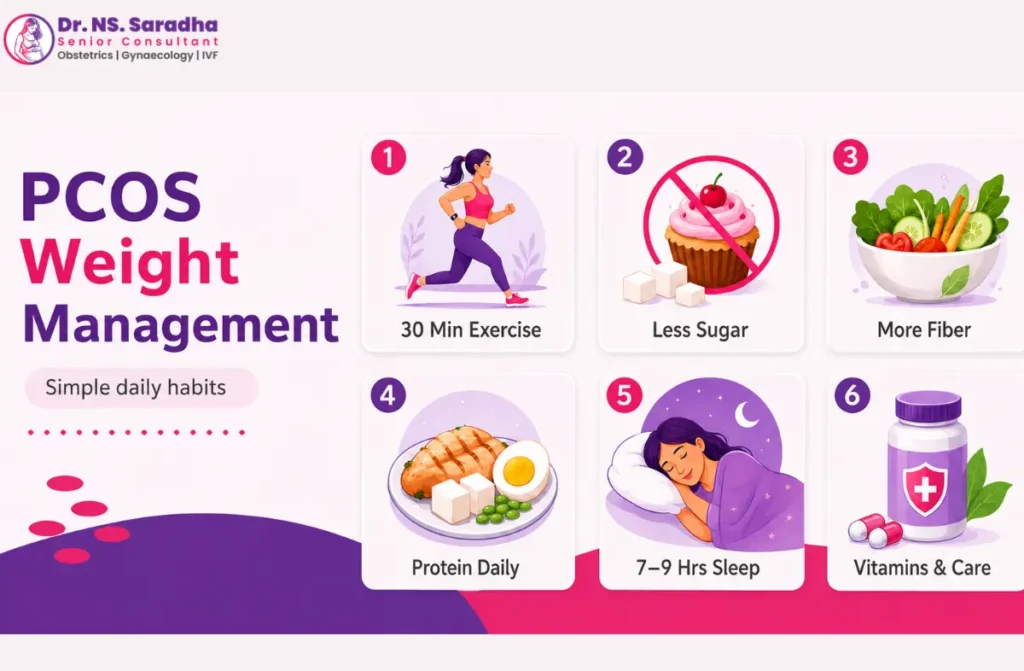
A PCOS-friendly diet focuses on steady blood sugar levels and reduced inflammation.
- Choose whole grains like brown rice, millet, and oats over refined flour and white rice
- Include protein with every meal, such as lentils, eggs, fish, or paneer
- Add fibre-rich vegetables and fruits with lower glycemic impact, like leafy greens and berries
- Limit sugary drinks, packaged snacks, and deep-fried foods
- Space meals evenly through the day to avoid blood sugar spikes
Exercise Recommendations
Regular movement helps improve insulin sensitivity and supports hormonal balance.
- Aim for at least 30 minutes of moderate activity most days, such as brisk walking or cycling
- Add strength training two to three times a week to support metabolism
- Include yoga or stretching for flexibility and stress relief
- Choose activities you enjoy, since consistency matters more than intensity
Stress Management
Chronic stress raises cortisol levels, which can worsen insulin resistance and hormonal imbalance. Simple daily practices like deep breathing, short walks, or a consistent sleep schedule can help lower stress over time. Many women find that setting aside even ten quiet minutes a day makes a noticeable difference. Reducing stress won’t resolve PCOS on its own, but it supports every other part of the treatment plan.
Importance of Regular Follow-Up
PCOS symptoms and hormone levels can shift over time, so regular check-ins help keep treatment on track. Follow-up visits allow adjustments to medication, diet, or exercise plans based on how your body is responding. They also catch early signs of related concerns, like changes in blood sugar or cholesterol. Consistent follow-up is one of the simplest ways to stay ahead of the condition rather than reacting to it.
Why Choose Dr. N. S. Saradha as Your PCOS Specialist in Chennai?
Choosing the right doctor for an ongoing condition like PCOS makes a real difference in both comfort and outcomes. Many women describe Dr. Saradha as an approachable PCOS Specialist in Chennai who takes time to explain things clearly rather than rushing through appointments.
Experience in Women’s Health
Dr. Saradha brings years of focused experience in gynecology and women’s hormonal health, having supported patients through a wide range of PCOS presentations. This experience means she recognises patterns quickly and adjusts treatment plans based on what genuinely works. Patients often appreciate being able to ask questions freely and receive clear, direct answers. Her approach blends clinical expertise with genuine patience for each individual case.
Personalized Treatment Plans
No two PCOS journeys look the same, so treatment plans are built around each patient’s specific symptoms, goals, and life stage. Whether the priority is regulating periods, managing acne, or planning a pregnancy, the approach adjusts accordingly. Plans are revisited and refined at follow-up visits based on real progress. This flexibility avoids the frustration of generic, one-size-fits-all advice.
Advanced Diagnostic Approach
Diagnosis relies on a combination of detailed history-taking, ultrasound imaging, and targeted blood work to build an accurate picture. This thorough approach helps rule out overlapping conditions and ensures treatment addresses the actual cause of symptoms. Diagnostic tools are used thoughtfully, only where they add real value to the treatment decision. Patients leave each visit with a clear understanding of their results.
Compassionate and Patient-Centered Care
Appointments are structured to allow time for questions, concerns, and honest conversation, particularly around sensitive topics like fertility or body image. Care is delivered without judgment, recognising that PCOS can affect confidence as much as physical health. Patients are encouraged to be active participants in their own treatment decisions. This collaborative approach tends to build trust over the course of ongoing care.
Getting to the Clinic
Patients travel from across the city to consult a PCOS Specialist in Chennai, and the clinic is easy to reach from several neighbourhoods nearby. Women searching for a PCOS Specialist in KK Nagar often find the clinic a short, convenient drive away, as do patients looking for a PCOS Specialist in Ashok Nagar. The same applies for those searching for a PCOS Specialist in Virugambakkam, with straightforward access by road or public transport. Wherever you’re coming from in Chennai, reaching the clinic for a consultation is simple to plan around your schedule.
Conclusion
PCOS can feel overwhelming when symptoms first appear, but with the right guidance, it becomes a manageable part of everyday life rather than a constant worry. Dr. N.S. Saradha works with each patient individually as a PCOS Specialist in Chennai, combining medical expertise with genuine care to build a treatment plan that actually fits their life and goals. If you’ve been noticing irregular cycles, unexplained weight changes, or fertility concerns, reaching out for a proper evaluation is a good first step. Support is available close by, whether you’re coming from central Chennai or nearby neighbourhoods, and getting clarity on your symptoms is often the most reassuring part of the process.