Pregnancy is one of the few periods in life when daily food choices directly influence the growth of another human being. Every bite consumed by an expectant mother contributes to a complex biological process that shapes organs, tissues, brain development, immunity, and long-term health outcomes.
Modern research continues to reveal that nutrition during pregnancy affects far more than birth weight alone. It influences cognitive development, metabolic health, immune function, and even disease risk later in life. The concept known as fetal programming suggests that the nutritional environment experienced in the womb can impact a child’s health for decades.
Yet despite the importance of maternal nutrition, many women still face confusion. Should they eat more? Which nutrients matter most? Are supplements enough? How should nutrition change throughout pregnancy?
The answers lie not in eating more food, but in eating more strategically. Pregnancy nutrition is about quality, balance, timing, and consistency.
Why Nutrition During Pregnancy Matters More Than Ever
The human body performs extraordinary work during pregnancy.
Within nine months, a fertilized egg develops into a fully formed baby with:
- A functioning brain and nervous system
- A beating heart
- A complete skeletal framework
- Developing lungs
- A digestive system
- Millions of interconnected cells and tissues
All of these structures require nutrients as building materials.
Proper nutrition helps:
- Support healthy fetal growth and development
- Reduce the risk of birth defects
- Enhance brain and nervous system formation
- Build strong bones, muscles, and organs
- Strengthen maternal immunity
- Reduce complications such as anemia and preeclampsia
- Support healthy birth weight
- Improve postpartum recovery
- Prepare the body for successful breastfeeding
The First 1,000 Days: Why Pregnancy Nutrition Has Lifelong Effects
Scientists often refer to pregnancy and the first two years of life as the “first 1,000 days.”
This period is considered one of the most critical windows for human development.
Nutritional deficiencies during pregnancy may influence:
- Learning abilities
- Brain development
- Immune system strength
- Metabolic health
- Growth patterns
- Future risk of obesity and chronic diseases
In many ways, pregnancy nutrition is not only feeding a baby—it is programming future health.
Daily Nutrient Requirements During Pregnancy
While nutrient needs vary based on age, weight, activity level, and medical conditions, certain nutrients become especially important during pregnancy.
| Nutrient | Recommended Daily Intake During Pregnancy |
| Protein | 71 grams |
| Folate | 600 mcg |
| Iron | 27 mg |
| Calcium | 1,000 mg |
| Vitamin D | 600 IU |
| Iodine | 220 mcg |
| Zinc | 11 mg |
| Choline | 450 mg |
| Fiber | 28 grams |
| Water | 2.3–3 liters |
Meeting these targets consistently helps support healthy fetal development and maternal well-being throughout pregnancy.
The Nutritional Journey: Month-by-Month Pregnancy Needs
| Pregnancy Stage | Baby’s Development Focus | Key Nutrients |
| Month 1 | Neural tube formation | Folic acid, Vitamin B12 |
| Month 2 | Organ development begins | Protein, Folate, Iron |
| Month 3 | Brain and heart development | Iron, Omega-3 |
| Month 4 | Skeletal growth accelerates | Calcium, Vitamin D |
| Month 5 | Muscle development | Protein, Zinc |
| Month 6 | Rapid body growth | Iron, Protein |
| Month 7 | Brain growth surge | Omega-3 fatty acids |
| Month 8 | Fat storage and maturation | Healthy fats, Protein |
| Month 9 | Final preparation for birth | Balanced nutrition, Hydration |
How Nutritional Requirements Change Across Trimesters
Best Foods for Each Trimester
Nutritional priorities change as pregnancy progresses. Choosing foods that align with each stage can help support specific developmental milestones.
First Trimester
The first trimester focuses on neural tube formation and organ development.
Best choices:
- Leafy greens
- Lentils
- Citrus fruits
- Eggs
- Whole-grain crackers
- Ginger-containing foods
- Bananas
Second Trimester
The baby’s skeleton, muscles, and organs grow rapidly.
Best choices:
- Greek yogurt
- Milk
- Tofu
- Lean meats
- Beans
- Oats
- Nuts and seeds
Third Trimester
The final trimester is marked by significant brain growth and weight gain.
Best choices:
- Salmon
- Walnuts
- Avocados
- Iron-rich foods
- Sweet potatoes
- Eggs
- High-protein snacks
The Essential Nutrients Every Pregnancy Depends On
| Nutrient | Why It Matters | Best Sources |
| Folic Acid | Prevents neural tube defects | Leafy greens, legumes |
| Iron | Supports oxygen delivery | Lean meats, lentils |
| Calcium | Bone and teeth formation | Dairy products, tofu |
| Protein | Growth of tissues and organs | Eggs, fish, legumes |
| Vitamin D | Helps calcium absorption | Sunlight, fortified foods |
| Omega-3 Fatty Acids | Supports brain and eye development | Salmon, walnuts |
| Iodine | Supports thyroid function and brain health | Seafood, dairy |
| Zinc | Promotes cell growth and immunity | Nuts, seeds, poultry |
Folic Acid: The Pregnancy Superstar
- Among all pregnancy nutrients, folic acid often receives the greatest attention.
- Its importance stems from its role in neural tube development, which occurs very early in pregnancy.
- Adequate folate intake helps reduce the risk of serious birth defects affecting the brain and spinal cord.
- Because neural tube closure occurs within the first month of pregnancy, many healthcare professionals recommend folic acid supplementation even before conception.
Protein: The Building Material of New Life
Protein contributes to nearly every aspect of fetal growth.
It supports:
- Organ formation
- Placental development
- Muscle growth
- Blood production
- Maternal tissue expansion
As pregnancy progresses, protein requirements steadily increase.
Including a quality protein source with every meal helps provide a consistent supply of amino acids needed for development.
Iron: Fueling a Growing Blood Supply
Pregnancy increases blood volume dramatically.
To support this expansion, iron requirements rise significantly.
Iron helps:
- Produce hemoglobin
- Deliver oxygen to mother and baby
- Reduce anemia risk
- Support healthy energy levels
Common signs of deficiency include:
- Fatigue
- Weakness
- Dizziness
- Pale skin
- Shortness of breath
Combining iron-rich foods with vitamin C-rich foods enhances absorption.
Calcium and Vitamin D: The Bone-Building Partnership
Calcium builds the baby’s skeletal framework while maintaining maternal bone health.
Vitamin D assists by helping the body absorb calcium efficiently.
Together they support:
- Bone formation
- Tooth development
- Muscle function
- Nervous system activity
When dietary calcium is inadequate, the mother’s body may draw calcium from her own bones to meet fetal needs.
Omega-3 Fatty Acids: Feeding the Developing Brain
A baby’s brain experiences explosive growth during pregnancy, particularly in the third trimester.
Omega-3 fatty acids support:
- Brain development
- Eye formation
- Nervous system maturation
- Cognitive function
Foods rich in omega-3s include:
- Salmon
- Sardines
- Walnuts
- Chia seeds
- Flaxseeds
Pregnancy Nutrition and Brain Development
The fetal brain undergoes extraordinary growth throughout pregnancy.
By birth, billions of brain cells have formed and countless neural connections are developing.
Several nutrients play a direct role in this process:
- Omega-3 fatty acids
- Choline
- Iodine
- Iron
- Zinc
- Folate
Insufficient intake of these nutrients may affect cognitive development, learning abilities, and neurological function.
Supporting brain development begins long before birth through consistent nutritional choices.
How Maternal Nutrition Shapes Lifelong Health
Scientists increasingly recognize that nutrition during pregnancy may influence health far beyond infancy.
Research in developmental origins of health and disease suggests that prenatal nutrition can affect:
- Metabolism
- Immune system development
- Cardiovascular health
- Obesity risk
- Type 2 diabetes risk
- Learning and behavior
This concept highlights why pregnancy nutrition is often viewed as an investment in lifelong health rather than a short-term responsibility.
Choline: The Overlooked Pregnancy Nutrient
Although folic acid receives much attention, choline is another nutrient that plays a crucial role during pregnancy.
Choline supports:
- Brain development
- Memory formation
- Nervous system function
- Neural tube development
Research suggests that adequate choline intake may support healthy cognitive development in children.
Excellent sources include:
- Eggs
- Fish
- Poultry
- Dairy products
- Soybeans
Many pregnant women fail to meet recommended choline intake, making it an important nutrient to discuss with healthcare providers.
Top 10 Pregnancy Superfoods
- Eggs – complete protein and choline
- Greek yogurt – calcium and probiotics
- Salmon – omega-3 powerhouse
- Spinach – folate and iron
- Lentils – protein and fiber
- Avocados – healthy fats and potassium
- Sweet potatoes – beta-carotene
- Walnuts – plant omega-3s
- Berries – antioxidants and vitamin C
- Oats – fiber and long-lasting energy
Hydration: The Overlooked Nutrient
Water is often forgotten in discussions about pregnancy nutrition.
Yet hydration supports nearly every physiological process.
Benefits include:
- Maintaining amniotic fluid levels
- Transporting nutrients
- Supporting circulation
- Reducing constipation
- Helping regulate body temperature
- Preventing dehydration-related headaches
A simple hydration strategy is to sip fluids consistently throughout the day rather than waiting until thirst develops.
Pregnancy Nutrition by Age Group
Teen Pregnancy
Teen mothers face unique nutritional challenges because their bodies may still be growing.
Special attention is needed for:
- Calcium
- Iron
- Protein
- Overall calorie intake
Ages 20–34
This age group generally experiences the lowest pregnancy-related nutritional risks.
Focus areas include:
- Balanced meals
- Healthy weight gain
- Prenatal supplementation
- Consistent hydration
Age 35 and Older
Nutritional care becomes increasingly important due to a higher likelihood of preexisting health conditions.
Key priorities include:
- Blood sugar management
- Adequate nutrient intake
- Regular monitoring
- Prenatal care compliance
Vegetarian and Vegan Pregnancy Nutrition
Plant-based diets can successfully support healthy pregnancies.
However, attention should be given to:
- Vitamin B12
- Iron
- Zinc
- Calcium
- Protein
- Omega-3 fatty acids
- Vitamin D
Excellent plant-based foods include:
- Lentils
- Chickpeas
- Tofu
- Tempeh
- Quinoa
- Nuts
- Seeds
- Fortified plant milks
A healthcare provider may recommend targeted supplementation when needed.
Common Pregnancy Nutrition Challenges
Morning Sickness
Nausea affects many women, particularly during early pregnancy.
Helpful approaches include:
- Eating small frequent meals
- Keeping crackers nearby
- Avoiding strong odors
- Staying hydrated
Heartburn
As pregnancy progresses, digestive discomfort may increase.
Helpful strategies:
- Smaller meals
- Remaining upright after eating
- Limiting spicy foods
- Avoiding large meals before bedtime
Constipation
Hormonal changes often slow digestion.
Management strategies include:
- High-fiber foods
- Fruits and vegetables
- Adequate water intake
- Regular physical activity
Foods to Include Frequently
Daily nutrition should emphasize:
- Fruits
- Vegetables
- Whole grains
- Lean proteins
- Dairy or fortified alternatives
- Legumes
- Nuts and seeds
- Healthy fats
Foods and Drinks to Limit or Avoid
Certain foods may increase health risks during pregnancy.
These include:
- Alcohol
- Raw seafood
- Undercooked meat
- Unpasteurized dairy products
- High-mercury fish
- Excess caffeine
- Highly processed foods
Food Safety During Pregnancy
Foodborne illnesses can be more serious during pregnancy.
Important precautions include:
- Washing produce thoroughly
- Cooking meat completely
- Avoiding raw eggs
- Refrigerating leftovers promptly
- Checking expiration dates carefully
Healthy Weight Gain During Pregnancy
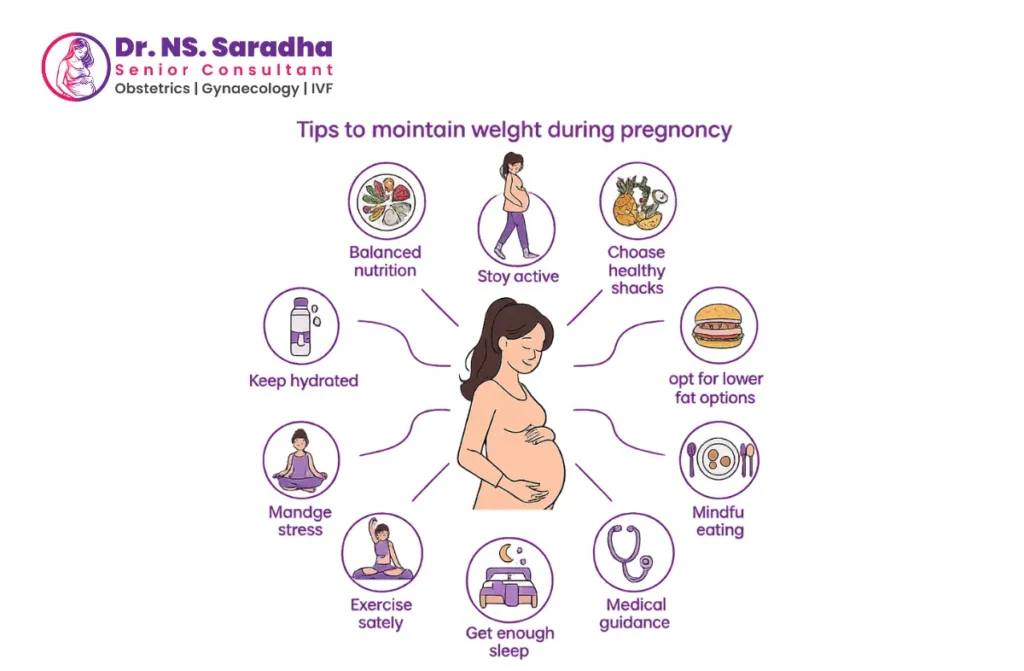
Weight gain is a normal and necessary part of pregnancy.
Healthy weight gain supports:
- Placental growth
- Increased blood volume
- Fetal development
- Amniotic fluid production
- Breastfeeding preparation
The ideal amount varies based on pre-pregnancy weight and individual circumstances.
Rather than focusing solely on the scale, emphasis should remain on nutrient quality and overall health.
Weight gain table
| Pre-Pregnancy BMI | Recommended Weight Gain |
| Underweight | 12.5–18 kg |
| Normal Weight | 11.5–16 kg |
| Overweight | 7–11.5 kg |
| Obese | 5–9 kg |
Common Nutrition Mistakes During Pregnancy
Many misconceptions continue to circulate.
Frequent mistakes include:
- Eating for two
- Skipping meals
- Excessive junk food consumption
- Ignoring hydration
- Avoiding healthy fats
- Relying solely on supplements
- Following social media nutrition trends
- Delaying prenatal care
“Nutrient Deficiency Symptoms at a Glance”
| Nutrient | Possible Symptoms of Deficiency |
| Iron | Fatigue, dizziness |
| Calcium | Muscle cramps |
| Vitamin D | Bone pain, muscle weakness |
| Vitamin B12 | Tingling, weakness |
| Iodine | Thyroid issues |
Warning Signs of Possible Nutritional Deficiencies
Consult a healthcare provider if experiencing:
- Persistent exhaustion
- Severe weakness
- Frequent dizziness
- Hair thinning
- Brittle nails
- Slow weight gain
- Recurrent infections
- Unusual non-food cravings
Sample One-Day Pregnancy Meal Plan
Breakfast
- Oatmeal with berries and walnuts
- Glass of milk
Mid-Morning Snack
- Greek yogurt with fruit
Lunch
- Lentil or grilled chicken bowl
- Brown rice
- Mixed vegetables
Afternoon Snack
- Apple with peanut butter
Dinner
- Salmon or tofu
- Sweet potato
- Steamed vegetables
Evening Snack
- Nuts and seeds
Preparing Nutritionally for Breastfeeding
Pregnancy nutrition continues to provide benefits after delivery.
Building nutrient stores before birth helps support:
- Milk production
- Maternal recovery
- Energy levels
- Immune function
Important nutrients include:
- Protein
- Calcium
- Iron
- Healthy fats
- Water
Pregnancy Nutrition Checklist
Use this simple daily checklist:
- Took prenatal vitamin
- Ate protein with every meal
- Consumed iron-rich foods
- Included calcium-rich foods
- Ate at least five servings of fruits and vegetables
- Drank sufficient water
- Chose whole grains
- Included healthy fats
- Limited highly processed foods
- Followed food safety recommendations
Small daily habits often produce the greatest long-term benefits.
Pregnancy Nutrition Myths and Facts
Myth: You must eat twice as much food.
Fact: Most women need only modest calorie increases.
Myth: Cravings always indicate deficiencies.
Fact: Hormonal fluctuations frequently influence cravings.
Myth: Fish should be completely avoided.
Fact: Low-mercury fish provide valuable nutrients for fetal development.
Myth: Supplements can replace healthy eating.
Fact: Supplements support nutrition but cannot replace balanced meals.
Signs You Are Eating Well During Pregnancy
Many women wonder whether their nutritional habits are supporting pregnancy effectively.
Positive indicators include:
- Steady weight gain as advised by healthcare providers
- Consistent energy levels
- Good hydration
- Healthy fetal growth
- Normal prenatal test results
- Reduced frequency of nutrient deficiencies
- Better recovery from daily fatigue
Nutrition is not about perfection. Consistent healthy choices over time matter far more than occasional indulgences.
Quick Tips
- Eat a variety of colorful fruits and vegetables
- Include protein at every meal
- Prioritize hydration
- Take prenatal vitamins consistently
- Choose whole foods whenever possible
- Limit highly processed snacks
- Follow food safety guidelines
- Pair iron-rich foods with vitamin C
- Maintain regular prenatal appointments
- Listen to your body’s hunger and fullness signals
Quick Summary
- Healthy eating during pregnancy is one of the most powerful investments in a child’s future.
- Pregnancy nutrition influences lifelong health outcomes.
- Folic acid, iron, calcium, protein, omega-3s, iodine, and vitamin D are especially important.
- Nutritional needs evolve throughout each trimester.
- Hydration is essential for both maternal and fetal health.
- Balanced nutrition supports growth, development, recovery, and breastfeeding.
Conclusion
Pregnancy nutrition is far more than a list of foods to eat or avoid. It is a dynamic process that supports organ formation, brain development, immune function, healthy birth outcomes, postpartum recovery, and potentially lifelong health for the child. By focusing on nutrient-dense foods, hydration, food safety, appropriate supplementation, and trimester-specific needs, expectant mothers can provide one of the strongest foundations for a healthy future.
“During pregnancy, every meal becomes more than nourishment—it becomes a blueprint for growth, development, and future health. The nutrients chosen today help shape a baby’s brain, bones, immunity, and lifelong well-being. While perfection is never required, consistent healthy choices create powerful benefits that can last a lifetime. In many ways, nutrition during pregnancy is the first gift a mother gives her child.”
The goal is not perfection—it is nourishment. With informed choices, balanced eating habits, and appropriate medical guidance, every expectant mother can help create the strongest possible foundation for lifelong health, growth, and well-being.
Read More: Early Pregnancy Cramps