Pregnancy is a special and life-changing journey filled with excitement, hope, and new experiences. During this important stage, looking after your health is vital for both you and your developing baby.A healthy lifestyle, regular medical check-ups, balanced nutrition, and emotional well-being all play a vital role in ensuring a safe and smooth pregnancy. With the right guidance and support, every mother can enjoy a healthier and happier pregnancy journey.
Start your Prenatal Care as Early as Possible
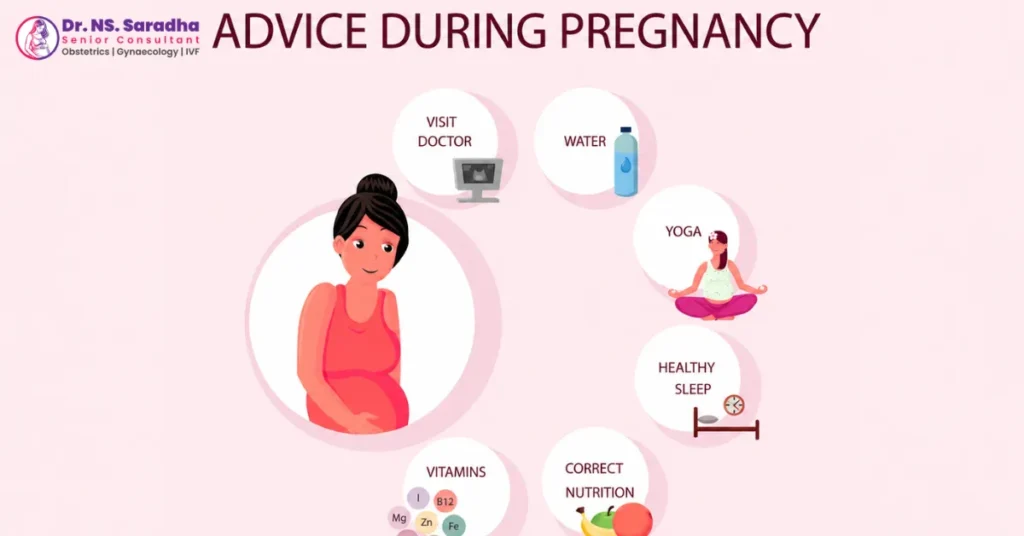
The moment you confirm your pregnancy, booking your first prenatal appointment should be your top priority. Early prenatal care allows your doctor to monitor your health, track your baby’s development, and identify any potential risks before they become serious.
During your first visit, your doctor will:
- Check your blood pressure, weight, and overall health
- Recommend essential blood tests and ultrasound scans
- Prescribe prenatal vitamins and supplements
- Discuss your medical history and any risk factors
Regular prenatal checkups throughout all three trimesters are one of the most important healthy pregnancy tips you can follow. Do not skip any scheduled appointments each visit plays a crucial role in keeping you and your baby safe.
Eat a Balanced and Nutritious Diet
The food you consume during pregnancy has a direct impact on your baby’s growth, brain development, and overall well-being. A well-balanced diet is one of the most essential healthy pregnancy tips for every expecting mother.
Foods to include
- Folate-rich foods: Lentils, spinach, broccoli, and fortified cereals support the baby’s neural tube development
- Iron-rich foods: Lean meat, eggs, beans, and green leafy vegetables prevent anaemia
- Calcium sources: Milk, curd, cheese, tofu, and sesame seeds support strong bones for both mother and baby
- Protein: Eggs, dal, paneer, chicken, and fish help with tissue growth and fetal development
- Omega-3 fatty acids: Flaxseeds, walnuts, and fish support brain and eye development in the baby
- Fresh fruits and vegetables: Provide essential vitamins, minerals, and fibre for digestive health
Foods to avoid during pregnancy
- Raw or undercooked meat and eggs
- Unpasteurised dairy products
- High-mercury fish like swordfish and shark
- Excess caffeine limit to under 200 mg per day
- Alcohol should be completely avoided during pregnancy, as no amount is considered safe.
- Street food or food with questionable hygiene
Eat small, frequent meals throughout the day to manage nausea, especially in the first trimester, and to maintain steady energy levels.
Take your Prenatal Vitamins and Supplements
Even the healthiest diet may not provide all the nutrients your body needs during pregnancy. Prenatal supplements fill the nutritional gaps and protect both mother and baby.
Key supplements recommended during pregnancy
- Folic Acid: 400 to 600 mcg daily, especially in the first trimester, to prevent neural tube defects
- Iron: Prevents maternal anaemia and supports the baby’s oxygen supply
- Calcium and Vitamin D: Support bone development in the growing baby
- Iodine: Essential for healthy thyroid function and fetal brain development
- DHA (Omega-3): Promotes brain and eye development in the baby
- Vitamin B12: Especially important for vegetarian and vegan mothers
Always take supplements prescribed or recommended by your doctor. Never self-medicate during pregnancy, even with over-the-counter vitamins.
Stay Physically Active with Safe Exercises
Staying active during pregnancy is one of the most beneficial healthy pregnancy tips for managing weight, reducing discomfort, improving mood, and preparing your body for labour. Regular, gentle exercise is safe for most pregnant women with uncomplicated pregnancies.
Safe exercises during pregnancy
- Brisk walking: 30 minutes a day is ideal
- Prenatal yoga: improves flexibility, reduces back pain, and prepares you for labour
- Swimming: low impact and excellent for joint relief
- Stationary cycling: safe and effective cardiovascular activity
- Kegel exercises: strengthen the pelvic floor muscles for labour and postpartum recovery
Exercises to avoid
- Contact sports or activities with a high risk of falling
- Heavy weightlifting
- Lying flat on your back after the first trimester
- High-intensity workouts that cause breathlessness
Avoid lying flat on your back after the first trimester, as well as engaging in high-intensity workouts that cause excessive breathlessness. Aim for at least 150 minutes of moderate physical activity per week, and always consult your doctor before starting or continuing any exercise routine during pregnancy to ensure the safety of both you and your baby.
Ensure Adequate Sleep and Rest Each Day
Sleep is one of the most underrated healthy pregnancy tips. Your body is working harder than ever to support a growing baby, and adequate rest is essential for your immune system, mood, energy levels, and overall recovery.
Tips for better sleep during pregnancy
- Sleep on your left side from the second trimester onward this improves blood flow to the placenta
- Use a pregnancy pillow to support your belly, back, and hips, and slightly raise your head if heartburn affects your sleep.
- Avoid screens and bright lights at least 30 to 45 minutes before bedtime
- Take short afternoon naps if needed even 20 minutes can make a difference
If you are experiencing severe insomnia, restless legs, or sleep apnoea during pregnancy, speak with your doctor rather than ignoring the symptoms.
Stay well Hydrated Throughout the Day
Drinking enough water is a simple but powerful healthy pregnancy tip that many women overlook. Water supports the formation of amniotic fluid, aids digestion, flushes out toxins, reduces the risk of urinary tract infections, and helps carry nutrients to the placenta.
Hydration tips for pregnant women
- Aim to drink 8 to 10 glasses of water daily.
- Increase intake during hot weather or after exercise
- Include coconut water for natural electrolytes
- Fresh homemade fruit juices without added sugar are a healthy addition
- Avoid sugary soft drinks, packaged juices, and excessive caffeine
Signs of dehydration during pregnancy include dark urine, dizziness, headaches, and reduced urination. If you notice these signs, increase your fluid intake immediately and consult your doctor if symptoms persist.
Take Care of your Mental Health
Mental health during pregnancy is just as important as physical health, yet it is one of the most overlooked aspects of prenatal care. Hormonal changes during pregnancy affect serotonin levels in the brain, which can lead to mood swings, anxiety, and in some cases, prenatal depression.
Signs to watch for
- Ongoing sadness or a consistently low mood that continues for more than two weeks.
- Excessive worry or anxiety about the pregnancy or baby
- Difficulty sleeping even when tired
- Loss of interest in daily activities
- Feeling overwhelmed, hopeless, or disconnected
Ways to support your mental wellbeing
- Practice mindfulness, deep breathing, or meditation daily
- Keep a journal to process your feelings
- Become part of a prenatal support group or an online pregnancy community.
- Seek professional counselling or therapy if needed
Prenatal anxiety and depression are medical conditions not personal weaknesses. Your doctor at Fatima IVF is here to support you and can refer you to a perinatal mental health specialist if needed.
Avoid Harmful Substances Completely
One of the most non negotiable healthy pregnancy tips is to completely avoid substances that can harm your baby’s development.
What to avoid
- Alcohol: There is no safe level of alcohol consumption during pregnancy. It can cause foetal alcohol spectrum disorders, growth problems, and developmental delays
- Smoking: Increases the risk of miscarriage, preterm birth, low birth weight, and sudden infant death syndrome
- Passive smoking: Even secondhand smoke is dangerous during pregnancy
- Recreational drugs: Can cause serious developmental issues in the baby
- Certain medications: Always check with your doctor before taking any medicine, including common pain relievers like ibuprofen
If you were smoking or consuming alcohol before discovering your pregnancy, speak honestly with your doctor. It is never too late to stop and protect your baby’s health.
Educate yourself and Prepare for Labour
Knowledge is one of the most empowering healthy pregnancy tips. The more prepared you are for what to expect during labour and delivery, the more confident and calm you will feel when the time comes.
Ways to prepare
- Attend prenatal classes offered by your hospital or clinic
- Create a birth plan outlining your preferences for labour and delivery
- Tour the labour ward at your hospital before your due date
- Discuss pain management options with your doctor epidural, breathing techniques, or water birth
- Pack your hospital bag from week 36 onward
- Keep emergency contact numbers readily available
- Discuss your preferences for skin-to-skin contact and breastfeeding immediately after birth
Your birth plan does not need to be rigid labour is unpredictable. But having a plan gives you a starting point and helps your medical team understand your wishes.
Build a Strong Support System Around you
Pregnancy is a journey that should be supported and shared with others.Having the right people around you makes an enormous difference to both your physical and emotional wellbeing.
Your support system should include
- Your partner involves them in appointments, preparation, and emotional support
- Family members who can help with daily tasks as your pregnancy progresses
- A trusted friend who has been through pregnancy and can share real experience
- Your medical team at Fatima IVF always available to answer your questions and concerns
- A doula if you prefer additional one-on-one labour support
- Online or local prenatal communities where you can connect with other expecting mothers
Never hesitate to ask for help during pregnancy. Accepting support is a sign of strength, not weakness.
When to Call your Doctor Immediately
While most pregnancies progress smoothly, there are certain warning signs that require immediate medical attention.Contact your doctor immediately if you notice any of the following symptoms:
- Heavy vaginal bleeding or spotting
- Severe abdominal pain or cramping
- Sudden swelling in the hands, face, or legs
- Severe headaches or vision changes
- High fever above 38°C
- Painful or burning urination
- Fluid leaking from the vagina before your due date
Do not delay seeking help while waiting for the symptoms to improve naturally. At Dr. N. S. Saradha Fertility , our team is available to address your concerns at every stage of pregnancy.
Why Choose Dr. N. S. Saradha Fertility and Women’s Centre?
Choosing the right specialist for women’s health and fertility care is an important step toward a healthy pregnancy and successful treatment journey. At the clinic of Dr. N S Saradha, patients receive trusted, evidence based care backed by over 30 years of clinical experience in obstetrics, gynaecology, and fertility treatment .
The centre is known for its personalised approach, where every treatment plan is carefully designed based on the patient’s medical condition and reproductive goals. Advanced diagnostic methods, modern fertility care, and a strong focus on patient safety ensure accurate evaluation and effective treatment outcomes.
In addition, the clinic emphasizes compassionate care, privacy, and continuous support throughout the journeyfrom consultation to pregnancy and delivery. This combination of experience, technology, and patient-focused care makes it a trusted choice for women seeking comprehensive reproductive healthcare.
Conclusion
A healthy pregnancy begins with caring for yourself physically, mentally, and emotionally. Following healthy habits, staying active, eating nutritious foods, and attending regular prenatal appointments can help support your baby’s growth and your overall well-being. Every pregnancy is unique, so listening to your body and seeking expert medical advice when needed is important. With proper care and support, you can look forward to a safe delivery and a joyful start to motherhood.