Trying to grow your family and facing delays can feel confusing, especially when you don’t understand what’s happening inside your body. Dr. N.S. Saradha has spent years helping women understand the many possible causes of female infertility and find a path forward that fits their unique situation. This page walks through what infertility means, why it happens, and what can be done about it — in plain language, without jargon.
What Is Female Infertility?
Definition of Female Infertility
Female infertility is generally defined as the inability to become pregnant after one year of regular, unprotected intercourse (or six months if the woman is over 35). It doesn’t mean pregnancy is impossible — it simply means the body needs a closer look to find out what’s making conception harder. Many women who are diagnosed with infertility go on to conceive once the underlying issue is identified and treated. The term covers a wide range of conditions, from mild hormonal shifts to structural issues in the reproductive organs.
How Female Fertility Works
For pregnancy to happen, several steps need to line up correctly each month. The ovaries must release a healthy egg, the fallopian tubes need to be open so the egg and sperm can meet, and the uterus needs a lining ready to support a fertilized egg. Hormones act like messengers, telling each part of this system when to act. When any single step is disrupted, it becomes one of the many possible causes of female infertility that a doctor will look for during evaluation.
When Is Infertility Diagnosed?
A diagnosis usually starts with a simple conversation about your cycle, health history, and how long you’ve been trying to conceive. If a year has passed without success (or six months for women over 35), it’s a reasonable time to seek an evaluation. Some situations call for earlier testing, such as very irregular periods or a known medical condition. Dr. Saradha typically begins with basic questions before moving to more detailed testing, so the process feels manageable rather than overwhelming.
Common Causes of Female Infertility
Ovulation Disorders
Ovulation disorders happen when the ovaries don’t release an egg regularly or at all. This is one of the more frequent reasons women struggle to conceive, and it’s often linked to hormone levels that control the menstrual cycle. Signs can include irregular periods, very light or very heavy bleeding, or cycles that vary widely in length each month. The encouraging part is that ovulation disorders often respond well to medication once identified, among the many causes of female infertility that are highly treatable.
Polycystic Ovary Syndrome (PCOS)
PCOS is a hormonal condition where the ovaries produce higher levels of androgens, which can prevent regular ovulation. Women with PCOS often notice irregular periods, acne, extra hair growth, or difficulty managing weight. Small fluid-filled sacs can sometimes form on the ovaries, though not every woman with PCOS will have these. With the right combination of lifestyle changes and medication, many women with PCOS are able to ovulate regularly and conceive.
Premature Ovarian Insufficiency (POI)
POI occurs when the ovaries stop working normally before age 40, leading to reduced egg supply and irregular or absent periods. It’s different from early menopause because some women with POI still ovulate occasionally and have a chance of natural conception. Symptoms can include hot flashes, night sweats, and vaginal dryness, similar to what’s seen in menopause. Early diagnosis helps doctors discuss fertility preservation options and appropriate hormone support.
Endometriosis
Endometriosis happens when tissue similar to the uterine lining grows outside the uterus, often on the ovaries, fallopian tubes, or pelvic lining. This tissue can cause inflammation, scarring, and blockages that make it harder for an egg and sperm to meet. Many women with endometriosis experience painful periods, pain during intercourse, or heavy bleeding. Treatment ranges from medication to laparoscopic surgery, depending on how much the condition is affecting fertility.
Blocked or Damaged Fallopian Tubes
The fallopian tubes are the pathway where the egg and sperm meet, so any blockage or damage can prevent fertilization. This can result from past pelvic infections, previous surgery, or endometriosis. Many women with blocked tubes have no obvious symptoms, which is why testing is often needed to catch this early. Depending on the extent of the damage, treatment may involve surgery to open the tubes or moving directly to IVF, which bypasses the tubes entirely.
Uterine Abnormalities
The shape and health of the uterus matter for both conception and carrying a pregnancy to term. Some women are born with a uterus that has an unusual shape, while others develop fibroids or polyps later in life that change the uterine lining. These abnormalities can interfere with implantation or increase the chance of early pregnancy loss. Many uterine issues can be corrected with minor surgical procedures, improving the chances of a successful pregnancy.
Cervical Conditions
The cervix produces mucus that helps sperm travel into the uterus at the right time in the cycle. Certain cervical conditions, past cervical surgery, or unusually thick mucus can make this journey more difficult. Some women may not notice any symptoms related to cervical issues until fertility testing is done. Simple treatments, including intrauterine insemination, can often help sperm bypass cervical barriers when needed.
Hormonal Imbalances
Hormones like estrogen, progesterone, and thyroid hormones all need to be in balance for regular ovulation and a healthy uterine lining. When these levels shift too high or too low, cycles can become irregular or ovulation may stop altogether. Recognizing the hormonal causes of female infertility usually involves a simple blood test done at specific points in the cycle. Once identified, hormone-related issues are often managed effectively with medication.
Age-Related Decline in Fertility
A woman’s egg supply and egg quality naturally decline with age, particularly after the mid-30s. This is a normal biological process, not a medical problem, though it does reduce the monthly chance of conception. Age also slightly increases the time needed to identify other contributing factors. Because of this, doctors often recommend a fertility evaluation sooner for women over 35 who are trying to conceive.
Lifestyle Factors That Can Affect Female Fertility
Being Overweight or Underweight
Body weight has a direct connection to hormone levels and ovulation. Carrying excess weight can raise insulin and androgen levels, which may disrupt regular ovulation, while being significantly underweight can reduce estrogen levels enough to stop periods altogether. Reaching a healthy, stable weight often helps restore regular cycles within a few months. Dr. Saradha typically works with patients to find realistic, sustainable weight goals rather than quick fixes.
Smoking and Tobacco Use
Smoking affects egg quality and can speed up the natural decline in egg supply. It has also been linked to a higher risk of tubal damage and early pregnancy loss. Quitting smoking, even after years of use, can lead to noticeable improvements in fertility markers over time. Support is available for women who want help quitting before or during fertility treatment.
Alcohol and Recreational Drugs
Regular alcohol use can interfere with hormone balance and ovulation, and heavy use has been linked to reduced fertility overall. Recreational drug use carries similar risks and can also affect the health of a developing pregnancy. Cutting back or stopping use is one of the simplest steps a woman can take while trying to conceive. Being open with your doctor about use helps them give more accurate guidance.
Poor Diet and Nutritional Deficiencies
A diet lacking in key nutrients, such as folate, iron, and vitamin D, can affect egg quality and hormone production. Highly processed foods and excess sugar have also been linked to irregular ovulation in some studies. Small, steady changes toward whole foods, lean proteins, and leafy greens often make a meaningful difference over a few months. A doctor or dietitian can help identify specific gaps based on blood work.
Chronic Stress
Long-term stress can affect the hormones that regulate the menstrual cycle, sometimes delaying or stopping ovulation. While stress alone rarely causes infertility on its own, it can make an existing issue harder to manage. Simple daily habits, such as regular sleep, light exercise, and relaxation practices, can help support hormone balance. It’s also common, and completely understandable, for the stress of trying to conceive itself to add to the burden.
Excessive Exercise
Moderate exercise supports fertility, but very intense or prolonged training can lower body fat and hormone levels enough to disrupt ovulation. This is often seen in competitive athletes or women following extreme workout routines. Adjusting exercise intensity, alongside proper nutrition, can help restore regular cycles. A doctor can help determine whether exercise habits are playing a role in a specific case.
Medical Conditions Linked to Female Infertility
Thyroid Disorders
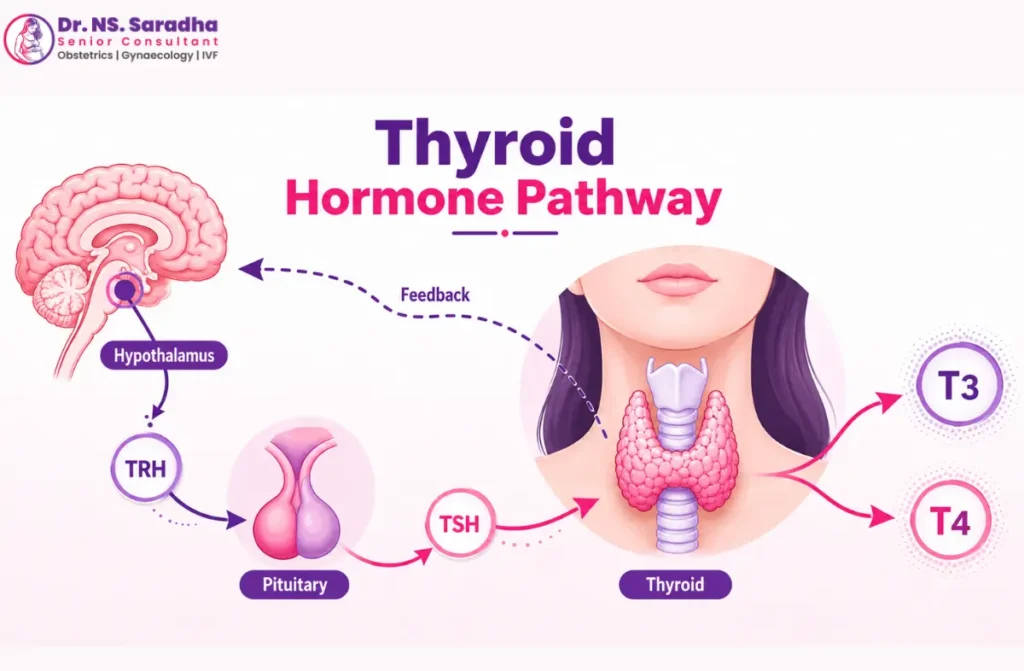
The thyroid gland plays a direct role in regulating the menstrual cycle, and both an overactive and underactive thyroid can disrupt ovulation. Common signs include unusual fatigue, weight changes, or irregular periods that don’t seem to have another clear reason. A simple blood test can check thyroid function early in the fertility evaluation. Once thyroid levels are corrected with medication, many women see their cycles return to normal.
Diabetes
Poorly controlled blood sugar levels can affect hormone balance and egg quality over time. Women with diabetes, particularly type 2, may also be more likely to experience irregular ovulation. Keeping blood sugar within a healthy range through diet, medication, or both can meaningfully improve fertility outcomes. Regular monitoring becomes even more important once a woman begins actively trying to conceive.
Autoimmune Diseases
Certain autoimmune conditions cause the immune system to mistakenly target healthy tissue, which can sometimes affect the ovaries, thyroid, or uterine lining. This can lead to irregular cycles, implantation difficulties, or a higher risk of early pregnancy loss. Not every autoimmune condition affects fertility, so individual testing is important rather than general assumptions. Coordinated care between a fertility specialist and other treating doctors usually gives the best results.
Sexually Transmitted Infections (STIs)
Some untreated STIs can lead to pelvic inflammatory disease, which may scar or block the fallopian tubes over time. This damage can happen even years after the original infection has cleared, sometimes without any noticeable symptoms in between. Regular screening and prompt treatment of any infection greatly reduce this risk. Women with a past STI history are usually offered tubal testing as part of their fertility workup.
Environmental and Occupational Risk Factors
Exposure to Toxic Chemicals
Long-term exposure to certain pesticides, solvents, or industrial chemicals has been linked to reduced egg quality and hormone disruption. Women working in agriculture, manufacturing, or certain laboratory settings may face higher exposure levels. Using protective equipment and following workplace safety guidelines can help reduce this risk. If occupational exposure is a concern, it’s worth mentioning during a fertility consultation.
Radiation and Cancer Treatments
Radiation therapy and certain chemotherapy drugs can damage the ovaries and significantly reduce egg supply, depending on the dose and area treated. This effect can be temporary or permanent, and it varies from person to person. Women facing cancer treatment are increasingly offered fertility preservation options, such as egg freezing, beforehand. Discussing fertility goals with both an oncologist and a fertility specialist early on gives the most options.
Environmental Pollutants
Everyday exposure to certain plastics, air pollutants, and household chemicals has been studied for possible links to hormone disruption. While individual exposure is usually low, cumulative effects over years may play a small role for some women. Simple steps like reducing plastic use for food storage and choosing well-ventilated spaces can lower exposure. This is generally considered a minor factor compared to medical and lifestyle causes, but it’s still worth being mindful of.
Symptoms That May Indicate Female Infertility
Irregular or Absent Periods
Cycles that are consistently shorter than 21 days, longer than 35 days, or missing altogether can signal an ovulation problem. This is often one of the earliest and clearest female infertility symptoms a woman notices. Keeping a simple record of cycle length and flow can help your doctor spot patterns quickly. Bringing this information to your first appointment can save time during evaluation.
Painful Menstrual Cycles
Cramping is common, but pain severe enough to interfere with daily activities can point to conditions like endometriosis or fibroids. Pain during intercourse or between periods is also worth mentioning to a doctor. These symptoms are sometimes dismissed as normal, but persistent pain deserves proper evaluation. Tracking when the pain occurs during your cycle helps guide the right tests.
Hormonal Symptoms
Unexplained weight changes, acne, excess facial or body hair, and hot flashes can all point toward a hormonal cause behind fertility challenges. These symptoms often appear gradually, so it helps to notice changes over several months rather than a single week. A blood test can usually confirm whether hormone levels are outside the expected range. Addressing the underlying hormone imbalance often improves both symptoms and fertility together.
Difficulty Conceiving After Regular Attempts
Struggling to conceive despite regular, unprotected intercourse over several months or a year is itself a key symptom worth acting on. Some women have no other noticeable signs at all, which is why time alone is sometimes the clearest signal. Reaching out to a specialist doesn’t require waiting until every other symptom appears. Early evaluation simply gives more options and more time to work with.
How Female Infertility Is Diagnosed
Diagnosis is a step-by-step process designed to find the specific reason behind delayed conception, rather than a single test that explains everything. Dr. Saradha builds a picture gradually, starting with simple, non-invasive steps and moving to more detailed testing only when needed. This measured approach helps identify the true causes of female infertility without unnecessary procedures. Most women complete their initial workup within a few visits.
Medical History and Physical Examination
The first step is usually a detailed conversation about your cycle history, past pregnancies, surgeries, and any family history of fertility issues. A physical examination checks for visible signs of hormonal imbalance or other physical factors. This conversation also covers lifestyle habits, medications, and any symptoms you’ve noticed. It sets the direction for which tests will be most useful.
Ovulation Testing
Ovulation testing checks whether and when an egg is being released each cycle. This can involve tracking basal body temperature, using ovulation predictor kits, or a blood test timed to a specific day in the cycle. Confirming ovulation status is often one of the fastest ways to narrow down the underlying issue. If ovulation isn’t happening regularly, treatment can often begin quickly.
Blood Tests
Blood tests measure key hormones, including estrogen, progesterone, thyroid hormones, and markers of ovarian reserve like AMH. These results help identify hormonal imbalances, thyroid disorders, or early signs of reduced egg supply. Some tests are timed to specific days of the cycle for accuracy. Results are usually available within a few days.
Ultrasound Scan
A pelvic ultrasound gives a clear picture of the uterus and ovaries, checking for fibroids, cysts, or structural abnormalities. It can also track follicle development to confirm ovulation is happening as expected. The scan is quick, non-invasive, and typically done in the clinic itself. It’s often one of the first imaging tests recommended.
Hysterosalpingography (HSG)
An HSG is an X-ray procedure that checks whether the fallopian tubes are open and whether the uterine cavity has a normal shape. A special dye is passed through the uterus, and its movement is tracked on imaging. The procedure takes only a few minutes and is usually done early in the menstrual cycle. It’s a key test for identifying tubal blockages.
Laparoscopy (When Needed)
Laparoscopy is a minor surgical procedure used to directly view the pelvic organs when other tests suggest a structural issue like endometriosis. A small camera is inserted through a tiny incision, allowing the doctor to see and sometimes treat problems in the same procedure. It’s generally reserved for cases where other tests haven’t given a clear answer. Recovery is typically quick, often within a few days.
Treatment Options Based on the Cause
Lifestyle Modifications
For many women, small, consistent changes to weight, diet, exercise, and habits like smoking or drinking can restore regular ovulation on their own. These changes are often recommended as a first step, alongside any medical treatment. Improvements can take a few months to show up in cycle regularity. Dr. Saradha works with patients to set realistic, achievable goals rather than drastic changes.
Medications to Induce Ovulation
When ovulation isn’t happening regularly, medications like clomiphene or letrozole are often used to stimulate the ovaries to release an egg. These are usually taken for a few days early in the cycle, with monitoring through blood tests or ultrasound. Many women respond well within the first few treatment cycles. Dosage is adjusted based on how the ovaries respond.
Surgical Treatments
Surgery may be recommended for issues like fibroids, blocked tubes, or endometriosis that are directly affecting fertility. Many of these procedures are minimally invasive, using small incisions and shorter recovery times. The goal is usually to restore normal anatomy so natural conception becomes possible again. In some cases, surgery is combined with other treatments for the best chance of success.
Intrauterine Insemination (IUI)
IUI involves placing specially prepared sperm directly into the uterus around the time of ovulation, increasing the chances of fertilization. It’s often recommended for mild fertility factors or when natural conception hasn’t worked after lifestyle and medication changes. The procedure itself is quick and generally painless. Success rates depend on factors like age and the specific cause being treated.
In Vitro Fertilization (IVF)
IVF involves retrieving eggs, fertilizing them with sperm in a lab, and transferring a resulting embryo back into the uterus. It’s typically recommended for blocked tubes, more advanced age-related fertility decline, or when other treatments haven’t been successful. Each step of the process is closely monitored to give the best possible chance of a healthy pregnancy. Dr. Saradha discusses each stage in detail so patients know what to expect before starting.
Can Female Infertility Be Prevented?
Healthy Lifestyle Habits
Maintaining a stable, healthy weight, eating a balanced diet, and staying physically active support regular hormone function. Avoiding smoking and limiting alcohol also protect long-term fertility. These habits are simple but have a meaningful cumulative effect over time. Small, steady changes tend to work better than short-term extreme efforts.
Regular Gynecological Check-Ups
Routine visits allow a doctor to catch conditions like PCOS, thyroid issues, or infections early, often before they significantly affect fertility. Regular check-ups also give women a chance to ask questions about their cycle or any changes they’ve noticed. Catching issues early usually means simpler, less invasive treatment. This is especially useful for women who plan to have children later in life.
Managing Chronic Health Conditions
Conditions like diabetes, thyroid disorders, and autoimmune diseases have a direct connection to fertility, so keeping them well managed matters. Working closely with the treating doctor to keep these conditions stable supports both overall health and fertility. Untreated or poorly managed conditions tend to make conception more difficult over time. Good long-term management often benefits both current and future fertility plans.
Knowing When to Seek Medical Advice
Waiting too long before seeking help can sometimes narrow the available treatment options, particularly as age increases. It’s reasonable to seek advice as soon as something feels off, rather than waiting for every symptom to appear. A short, early conversation with a specialist often provides reassurance either way. There’s no such thing as reaching out too soon.
When to See a Fertility Specialist
Dr. N.S. Saradha’s clinic is designed to be easy to reach and comfortable to visit, with clear appointment scheduling and a welcoming space for women at every stage of their fertility journey. The clinic pays close attention to female infertility symptoms during the very first visit, so nothing important gets missed. Understanding the hormonal causes of female infertility often takes just one or two visits with the right testing in place. For women with a family history of early menopause or PCOS, the clinic also looks closely at genetic causes of female infertility as part of a thorough evaluation.
Signs You Shouldn’t Ignore
Very irregular or absent periods, severe menstrual pain, or known conditions like PCOS or endometriosis are all good reasons to see a specialist sooner rather than later. A family history of early menopause or fertility issues is another reason to seek an earlier evaluation. Difficulty conceiving after six months to a year, depending on age, is also a clear signal. None of these signs mean something is definitely wrong, but they’re worth checking.
Fertility Evaluation Timeline by Age
Women under 35 are generally advised to seek evaluation after one year of trying without success. Women between 35 and 40 are usually advised to wait no longer than six months before seeking help. Women over 40 are often encouraged to seek evaluation right away, given the natural decline in egg supply at this stage. These timelines are general guidance, and any woman with concerns can seek advice earlier if she wishes.
Conclusion
Facing questions about fertility can feel overwhelming, but understanding what’s happening in your body is the first step toward finding answers. From ovulation disorders and PCOS to lifestyle habits and underlying medical conditions, there are many possible reasons behind delayed conception — and just as many effective ways to address them. Dr. N.S. Saradha works closely with each patient to identify the specific factors at play and build a treatment plan suited to her individual needs. Whether you’re just starting to explore fertility concerns or have been trying for some time, reaching out for a proper evaluation is a positive, proactive step, and one that opens the door to real, personalized solutions.