Fertility is influenced by many factors including age, lifestyle, hormones, stress, and overall nutrition. For women trying to conceive naturally, food plays a major role in supporting egg quality, ovulation, hormonal balance, and reproductive wellness. A well-planned fertility diet does not guarantee pregnancy, but it can improve the body’s natural readiness for conception. Choosing nutrient-rich foods helps create a healthier internal environment for reproductive function while also supporting energy, immunity, and emotional well-being.
Why Diet Matters for Female Fertility
A woman’s reproductive system depends heavily on balanced hormones, proper nutrient absorption, and healthy metabolic function. Deficiencies in vitamins, minerals, antioxidants, and healthy fats may affect ovulation and menstrual regularity. Research suggests that consistent dietary habits can influence fertility outcomes by improving insulin sensitivity, reducing inflammation, and supporting ovarian health.
The ovaries, uterus, and endocrine system all require essential nutrients to function effectively. This means that everyday food choices can directly impact reproductive health. Women planning pregnancy often benefit from focusing on whole foods rather than processed meals because nutrient density supports both conception and future pregnancy.
Leafy Green Vegetables
- Leafy greens such as spinach, kale, moringa leaves, and fenugreek leaves are rich in folate, iron, calcium, and antioxidants. Folate is particularly important because it supports DNA synthesis and healthy cell division. This is essential for egg development and early fetal growth.
- Iron supports oxygen transport and healthy blood circulation to reproductive organs. Poor iron levels may contribute to ovulatory issues in some women. Green vegetables also contain magnesium, which may help regulate stress hormones and improve menstrual balance.
- Including one bowl of cooked greens or a fresh salad daily can contribute to improved nutritional intake. Women with irregular periods may especially benefit from the micronutrients found in these vegetables.
Eggs
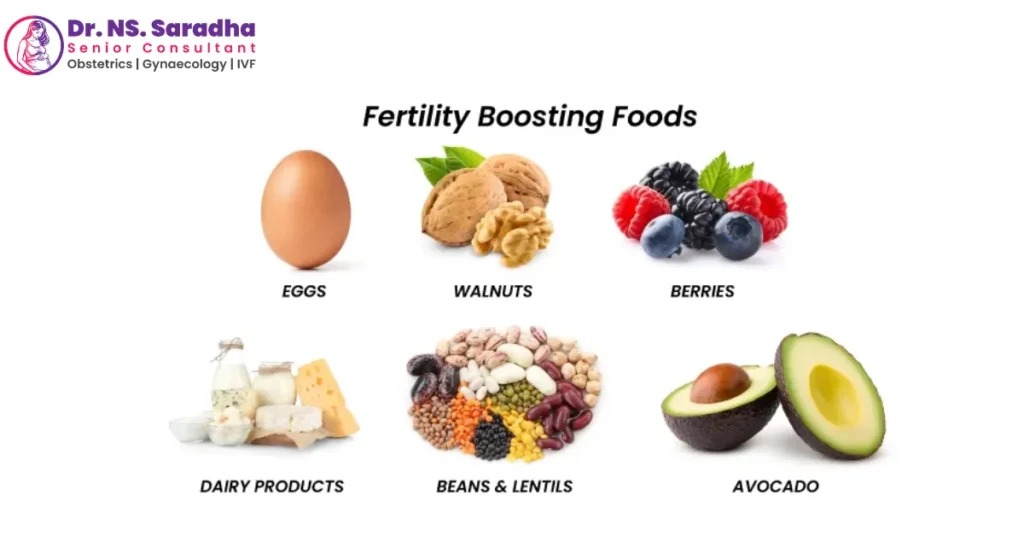
- Eggs are a powerful fertility-supporting food because they contain protein, choline, vitamin D, and healthy fats. The yolk contains nutrients that support hormonal production and reproductive tissue repair.
- Protein is necessary for cell growth, including the maturation of ovarian follicles. Choline supports fetal neural development and is recommended even before conception. Vitamin D deficiency has been associated with fertility challenges in some women, making eggs a useful addition to the diet.
- Boiled eggs, omelets with vegetables, or egg-based breakfasts can be easy and nourishing options. Consuming eggs in moderation as part of a balanced meal plan may help improve overall reproductive health.
Berries
- Blueberries, strawberries, blackberries, and Indian gooseberries are rich in antioxidants. Antioxidants help protect egg cells from oxidative stress, which can affect egg quality over time.
- Free radicals in the body can damage reproductive cells. Foods high in vitamin C and polyphenols help neutralize these harmful compounds. Berries are also low in glycemic load, which means they support stable blood sugar levels an important factor for hormonal regulation.
- Women dealing with polycystic ovarian syndrome often benefit from low-sugar fruits like berries because blood sugar balance influences ovulation. Fresh berries as snacks, smoothies, or breakfast toppings can be a practical addition.
Avocados
- Avocados contain monounsaturated fats, folate, vitamin E, and potassium. Healthy fats are necessary for hormone production, especially estrogen and progesterone.
- The reproductive system depends on adequate dietary fat for normal menstrual cycles. Extremely low-fat diets may interfere with hormonal signals. Avocados also contain vitamin E, which supports tissue health and may help improve the uterine lining.
- Adding avocado to toast, salads, or smoothies can provide a creamy and nutrient-rich fertility-supporting food source. For women trying to optimize preconception nutrition, healthy fats are especially important.
Nuts and Seeds
- Almonds, walnuts, sunflower seeds, pumpkin seeds, flaxseeds, and sesame seeds are excellent for reproductive health. They provide omega-3 fatty acids, zinc, selenium, and plant protein.
- Zinc plays a role in egg maturation and hormone regulation. Selenium supports antioxidant protection and thyroid health, which can indirectly affect fertility. Omega-3 fats reduce inflammation and may improve blood flow to reproductive organs.
- A handful of mixed nuts daily can support overall wellness. Seeds can be added to yogurt, porridge, or smoothies. These small additions can have meaningful nutritional benefits over time.
Fatty Fish
- Salmon, sardines, mackerel, and other fatty fish are rich in omega-3 fatty acids, vitamin D, and high-quality protein. Omega-3 fats may support better blood flow to the uterus and ovaries.
- Inflammation can negatively affect reproductive health. Omega-3s help reduce inflammatory processes and support hormone signaling. Women who consume healthy marine fats often gain added benefits for heart and brain health as well.
- Eating fish two times per week may support fertility goals. Those who avoid seafood can consider plant sources like chia seeds, though marine sources contain more bioavailable forms.
Whole Grains
- Brown rice, oats, quinoa, whole wheat, and millet provide fiber, B vitamins, and steady-release carbohydrates. Stable blood sugar is especially important for women with hormonal imbalance.
- Refined carbohydrates can spike insulin levels. Elevated insulin may interfere with ovulation in some women. Whole grains digest slowly and help maintain better hormonal stability.
- A breakfast of oats, millet porridge, or whole grain chapati can support energy and reproductive wellness. Replacing refined white flour with whole grains is a simple yet effective lifestyle change.
Dairy in Moderation
- Certain studies suggest full-fat dairy may be associated with improved ovulation in some women. Milk, yogurt, and curd provide calcium, protein, and vitamin B12.
- The key is moderation. Fermented dairy products like yogurt may also support gut health. A healthy gut can influence hormone metabolism and immune function.
- Plain yogurt with fruits or traditional curd with meals can be a balanced choice for many women. It is best to choose minimally processed options without added sugar.
Beans and Lentils
- Lentils, chickpeas, kidney beans, and black beans provide plant-based protein, folate, and iron. These are especially valuable in vegetarian diets.
- Protein supports tissue repair and hormone function. Lentils are also rich in complex carbohydrates and fiber, which can support healthy insulin levels. Folate from legumes is beneficial before pregnancy.
- Regular inclusion of dal, sprouts, and bean salads may help improve dietary quality and reproductive health.
Fruits Rich in Vitamin C
- Oranges, guava, kiwi, papaya, and pomegranate are excellent fertility-friendly fruits. Vitamin C improves iron absorption and supports immune health.
- Pomegranate has traditionally been associated with reproductive wellness because of its antioxidant content. Citrus fruits can also help reduce inflammation and support hormone balance.
- Having fresh fruit as a mid-morning snack is a simple way to boost your daily nutrient intake.
Lifestyle Habits that Improve Fertility Along with Diet
A nutritious diet can support reproductive health, but it works best when combined with healthy daily habits. A whole body approach helps create the right environment for hormonal balance and overall fertility wellness.
- Maintain a Healthy Weight: Maintaining a healthy body weight is important for reproductive function. Being underweight or overweight may affect hormone levels, menstrual cycles, and ovulation. Balanced eating and regular physical activity can help support healthy body composition.
- Stay Hydrated: Drinking enough water supports circulation, nutrient transport, and normal body functions. Proper hydration may also help support cervical mucus production and overall reproductive health.
- Manage Stress: Long-term stress can influence hormone balance and menstrual regularity. Activities such as Meditation, walking, journaling, and relaxation techniques may help support emotional well-being.
- Exercise Regularly: Regular moderate exercise, such as Walking, yoga, and stretching, can improve metabolism, circulation, and overall reproductive health. Consistent movement also supports a healthy lifestyle.
- Sleep Well: Getting enough restful sleep is important for hormone regulation and body repair. Poor sleep patterns may affect reproductive hormones, energy levels, and general well-being.
Adopting these healthy lifestyle habits along with a balanced diet can help support fertility naturally and improve overall health.
Foods to Limit for Better Fertility
Certain foods may negatively affect reproductive health when consumed frequently.
- Excess processed foods
- Sugary beverages
- Trans fats
- Excess caffeine
- Deep-fried snacks
- Highly refined carbs
- Excess alcohol
- Smoking-related substances
Reducing these foods while increasing natural nutrient-rich meals can support fertility optimization.
Best Daily Meal Pattern for Fertility Support
A balanced daily meal routine can support reproductive health by providing essential nutrients needed for hormone balance, energy, and overall wellness. Combining wholesome foods throughout the day may help create a supportive nutritional foundation for fertility.
- Morning: Start the day with warm water to support hydration, followed by soaked almonds and fresh fruit. This combination provides healthy fats, vitamins, and natural antioxidants.
- Breakfast: A bowl of Oats with berries and seeds can offer fiber, complex carbohydrates, and important nutrients that help maintain steady energy levels.
- Lunch: A balanced lunch may include brown rice, dal, leafy greens, and curd. This meal provides protein, iron, calcium, and fiber to support overall reproductive health.
- Snack: Fresh fruits and a handful of nuts make a nutritious snack, supplying antioxidants, vitamins, and healthy fats that may benefit general well-being.
- Dinner: A light dinner with chapati, vegetables, and lentils offers a healthy combination of plant protein, fiber, and essential nutrients without being overly heavy.
- Before Bed: A glass of milk or a mild herbal drink can provide comfort and additional nutrients while supporting restful sleep.
This daily meal pattern offers a balanced mix of protein, fiber, healthy fats, and vitamins that may help support fertility when combined with a healthy lifestyle.
Conclusion
Choosing the right foods can be a meaningful part of supporting reproductive health naturally. Foods that increase fertility in females are generally those rich in antioxidants, healthy fats, protein, vitamins, and minerals that nourish the body and promote hormonal balance. While no single food guarantees conception, consistent healthy eating paired with exercise, sleep, hydration, and stress management can create a strong foundation for fertility and long-term wellness.