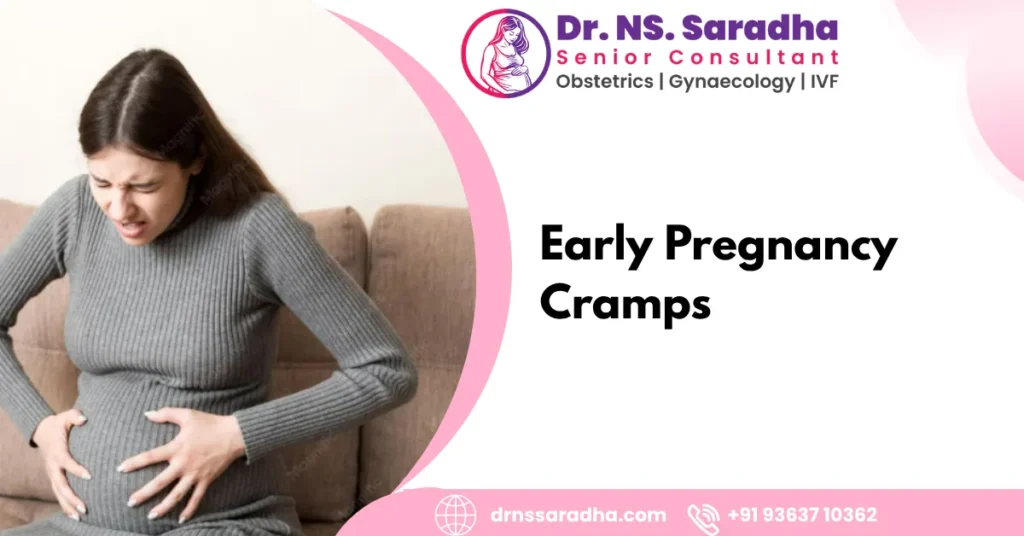
Few pregnancy symptoms create as much confusion and anxiety as early pregnancy cramps. For many women, cramping is strongly associated with menstruation, so experiencing similar sensations shortly after conception can feel alarming. Questions often arise immediately: Is this normal? Could something be wrong? Is the pregnancy healthy?
The reality is that mild cramping is one of the most common experiences during early pregnancy. As the body begins adapting to support a growing baby, hormonal changes, increased blood flow, tissue stretching, and digestive adjustments can all create sensations that range from mild twinges to temporary pelvic discomfort.
At the same time, not every cramp should be ignored. Understanding the difference between expected pregnancy-related discomfort and symptoms that require medical evaluation can help reduce unnecessary worry while ensuring prompt attention when needed.
This guide explains why early pregnancy cramps occur, what they typically feel like, when they usually begin, and which warning signs should never be overlooked.
Are Early Pregnancy Cramps Normal?
Yes. Mild cramping during early pregnancy is usually normal and often reflects the body’s natural adjustments after conception.
Common causes include:
- Implantation of the fertilized egg
- Expansion of the uterus
- Hormonal changes
- Increased blood flow to the pelvic region
- Gas, bloating, and constipation
- Stretching of supporting ligaments
However, severe pain, heavy bleeding, dizziness, fainting, fever, chills, or persistent one-sided pain should be evaluated by a healthcare professional as soon as possible.
Early Pregnancy Cramps at a Glance
| Feature | Typical Early Pregnancy Cramp |
| When it starts | Weeks 3–6 |
| How it feels | Mild pulling, pressure, aching |
| Location | Lower abdomen or pelvis |
| Duration | Minutes to hours |
| Associated symptoms | Fatigue, nausea, breast tenderness |
| Usually concerning? | No, if mild and temporary |
Understanding Early Pregnancy Cramps
- Early pregnancy cramps refer to mild abdominal, pelvic, or lower back discomfort that occurs during the first trimester. These sensations often resemble menstrual cramps but are generally milder and more intermittent.
- Cramping occurs because pregnancy triggers dramatic physiological changes. Within days of conception, hormone levels begin rising, blood flow increases, and reproductive tissues start adapting to support the developing embryo.
- Many women are surprised to learn that cramping can occur before a missed period. Implantation, one of the earliest stages of pregnancy, can cause subtle sensations that some women notice even before they realize they are pregnant.
- Importantly, experiencing mild cramps does not automatically indicate a problem. In fact, many healthy pregnancies include occasional cramping throughout the first trimester.
Key Statistics About Early Pregnancy Cramps
| Statistic | Finding |
| Women experiencing cramping in first trimester | Common occurrence |
| Implantation timing | 6–12 days after fertilization |
| First trimester duration | Weeks 1–12 |
| Peak hormonal adjustment period | Weeks 4–10 |
When Do Early Pregnancy Cramps Start?
- The timing varies from woman to woman, but early pregnancy cramps often begin surprisingly early.
- Some women experience sensations associated with implantation approximately 6 to 12 days after fertilization. Others notice cramping around the time they expect their menstrual period.
- As pregnancy progresses, the growing uterus and changing hormone levels may produce additional episodes of mild discomfort.
- From conception through week 12, the body is undergoing rapid transformation. New blood vessels form, hormones rise dramatically, and tissues begin stretching. Each of these processes may contribute to occasional cramping.
Week-by-Week Guide to Early Pregnancy Cramps
| Pregnancy Week | What May Be Happening | Typical Cramping Sensation |
| Week 3 | Fertilization | Usually none |
| Week 4 | Implantation | Mild twinges |
| Week 5 | Hormonal changes | Light cramps |
| Week 6 | Uterine growth | Pressure and stretching |
| Week 7–8 | Increased blood flow | Occasional aches |
| Week 9–10 | Rapid development | Intermittent cramps |
| Week 11–12 | Continued expansion | Mild pelvic discomfort |
What Do Early Pregnancy Cramps Feel Like?
Every woman experiences pregnancy differently, but several sensations are commonly reported.
Many describe cramps that resemble a lighter version of menstrual cramps. Others notice a pulling sensation in the lower abdomen, a feeling of pressure deep within the pelvis, or brief episodes of sharp discomfort during movement.
Common descriptions include:
- Menstrual-like cramping
- Gentle pulling sensations
- Tightness in the lower abdomen
- Pelvic pressure
- Short, sharp pains
- One-sided twinges
- A feeling of fullness or heaviness
The key characteristic of normal pregnancy cramping is that it is usually mild, temporary, and not progressively worsening.
Where Are Early Pregnancy Cramps Felt?
The location of pregnancy cramps can vary considerably.
Most women feel discomfort in the lower abdomen or pelvic region because this is where the uterus is growing and adapting.
Other common locations include:
- Pelvis
- Groin
- Lower back
- One side of the abdomen
- Both sides simultaneously
Pain may shift from one area to another depending on movement, digestion, hydration status, and the specific bodily changes occurring at that time.
Visual Symptom Comparison
| Sensation | Usually Normal? |
| Mild pulling | Yes |
| Occasional twinges | Yes |
| Light pressure | Yes |
| Brief sharp pain with movement | Usually |
| Severe abdominal pain | No |
| Persistent worsening pain | No |
The Main Causes of Early Pregnancy Cramps
Implantation Cramping
- Implantation occurs when the fertilized egg attaches to the uterine lining. This crucial event establishes the pregnancy and may produce mild discomfort.
- Implantation cramps are often subtle and short-lived. Some women experience slight twinges, while others notice no symptoms at all.
- These cramps generally last from a few hours to a couple of days and may occasionally be accompanied by light spotting.
Uterine Expansion
- Although the uterus remains relatively small during early pregnancy, it begins changing almost immediately after conception.
- Muscles, tissues, and ligaments gradually adapt to support future growth. These adjustments can create stretching sensations and mild cramping.
Hormonal Changes
- Progesterone plays a major role in maintaining pregnancy. Rising progesterone levels relax smooth muscles throughout the body, including those in the digestive tract.
- While essential for pregnancy, these hormonal changes can contribute to bloating, constipation, and abdominal discomfort that may feel similar to cramps.
Increased Blood Flow
- The pelvic region experiences a substantial increase in blood circulation during pregnancy.
- This enhanced blood supply supports the developing embryo but may also create feelings of pressure, fullness, and occasional aching sensations.
Digestive Changes
Digestive symptoms are among the most overlooked causes of pregnancy cramps.
Pregnancy hormones slow digestion, allowing nutrients to be absorbed more efficiently. Unfortunately, this can also lead to:
- Gas
- Bloating
- Constipation
- Abdominal pressure
Many women mistake digestive discomfort for uterine cramping when both can occur simultaneously.
Ligament Stretching
- As pregnancy progresses, supporting tissues surrounding the uterus begin adjusting to accommodate growth.
- Even during the first trimester, these ligaments can create occasional pulling sensations, particularly when standing up quickly, coughing, sneezing, or changing positions suddenly.
Early Pregnancy Cramps vs Period Cramps
Distinguishing between pregnancy cramps and menstrual cramps can be challenging because they often feel similar.
| Feature | Pregnancy Cramps | Menstrual Cramps |
| Cause | Pregnancy changes | Uterine shedding |
| Bleeding | Usually absent | Present |
| Intensity | Usually mild | Can be moderate to severe |
| Duration | Intermittent | Often continuous |
| Timing | After conception | Before menstruation |
Pregnancy cramps tend to come and go, while menstrual cramps often become stronger as bleeding begins.
Implantation Cramps vs Ongoing Pregnancy Cramps
Although both are related to pregnancy, implantation cramps differ from later pregnancy cramps.
| Feature | Implantation Cramping | Ongoing Pregnancy Cramping |
| Timing | Very early | Throughout first trimester |
| Duration | Short-lived | Intermittent |
| Associated spotting | Common | Less common |
| Cause | Embryo attachment | Body adaptation |
Understanding this distinction helps explain why some women experience cramping before a positive pregnancy test while others notice symptoms later.
How Long Do Early Pregnancy Cramps Last?
- One of the most common concerns among newly pregnant women is the duration of cramping. Unfortunately, there is no single answer because every pregnancy is different.
- Some cramps may last only a few minutes, while others can persist intermittently for several hours. Many women experience occasional cramping episodes throughout the first trimester as their bodies continue adapting to pregnancy.
- The duration often depends on the underlying cause. Implantation cramps are usually brief and occur over a short period. Digestive-related discomfort may come and go throughout the day, while uterine growth and ligament stretching can produce intermittent sensations over several weeks.
- In most cases, mild cramps that improve with rest, hydration, or position changes are considered normal.
Factors That Can Make Cramps Feel Worse
Although pregnancy-related cramping is often harmless, certain factors can intensify discomfort.
Dehydration is one of the most common contributors. When the body lacks adequate fluids, muscles may become more prone to cramping and irritation.
Other factors that may worsen symptoms include:
- Stress and anxiety
- Physical exhaustion
- Constipation
- Excessive exercise
- Poor sleep quality
- Prolonged standing
- Skipping meals
Addressing these triggers can often reduce the frequency and intensity of mild pregnancy cramps.
Normal Early Pregnancy Symptoms That May Occur Alongside Cramps
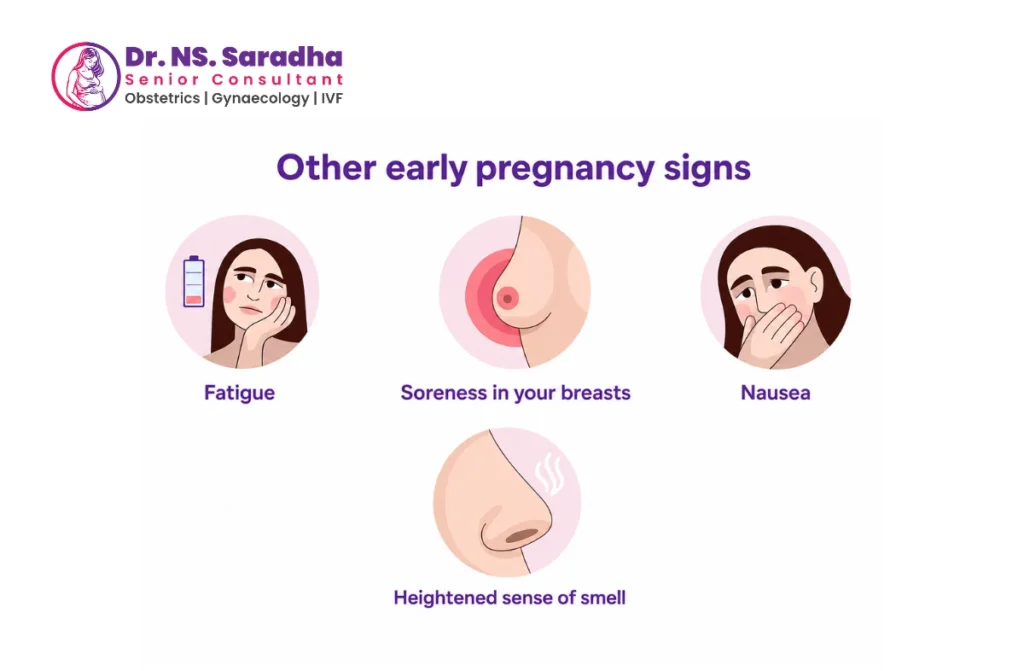
Cramping rarely occurs in isolation. It is often accompanied by other normal pregnancy symptoms caused by rising hormone levels and early fetal development.
Common accompanying symptoms include:
- Nausea or morning sickness
- Breast tenderness
- Fatigue
- Mood swings
- Frequent urination
- Food aversions
- Heightened sense of smell
- Increased vaginal discharge
- Mild bloating
Experiencing cramps together with these symptoms often reflects normal pregnancy-related changes rather than a medical problem.
When Are Early Pregnancy Cramps Not Normal?
While mild discomfort is common, some symptoms should never be ignored.
Pain that becomes severe, persistent, or progressively worse may indicate a complication requiring prompt medical evaluation.
Warning Signs to Watch For
Seek immediate medical attention if cramping occurs with:
- Heavy vaginal bleeding
- Severe abdominal pain
- Fever
- Chills
- Fainting
- Significant dizziness
- Shoulder pain
- Persistent one-sided pain
- Difficulty breathing
- Severe weakness
These symptoms may signal conditions that require urgent medical care.
Normal vs Miscarriage vs Ectopic Pregnancy Cramps
Understanding how serious complications differ from normal pregnancy discomfort can help women recognize when medical attention is needed.
| Feature | Normal Pregnancy | Miscarriage | Ectopic Pregnancy |
| Pain intensity | Mild | Moderate to severe | Often severe |
| Bleeding | None or light spotting | Common | Common |
| Location | General pelvis | Pelvis or lower back | Usually one side |
| Dizziness | Rare | Possible | Common |
| Emergency risk | Low | Moderate | High |
Although these comparisons are useful, symptoms can vary significantly. Any concerning symptom should be evaluated by a healthcare professional.
Medical Conditions That Can Cause Serious Cramping
Ectopic Pregnancy
An ectopic pregnancy occurs when a fertilized egg implants outside the uterus, most commonly within a fallopian tube.
Because the pregnancy cannot develop normally in this location, it can become a life-threatening emergency if untreated.
Symptoms may include:
- Severe one-sided abdominal pain
- Vaginal bleeding
- Shoulder pain
- Dizziness
- Fainting
- Increasing pelvic pressure
Risk factors may include previous ectopic pregnancy, fallopian tube damage, pelvic infections, or fertility treatments.
Prompt diagnosis is critical because untreated ectopic pregnancy can lead to internal bleeding.
Threatened Miscarriage
Miscarriage is most common during the first trimester and may initially present with cramping and bleeding.
Possible symptoms include:
- Moderate to severe cramping
- Vaginal bleeding
- Lower back pain
- Passage of tissue
It is important to remember that cramping alone does not mean miscarriage. Many women experience cramps and spotting yet continue to have healthy pregnancies.
Urinary Tract Infection
Pregnancy increases susceptibility to urinary tract infections due to hormonal and anatomical changes.
Symptoms may include:
- Lower abdominal discomfort
- Burning during urination
- Frequent urination
- Pelvic pressure
- Fever in more severe cases
Prompt treatment is important because untreated infections can increase pregnancy complications.
Ovarian Cysts
Some women develop ovarian cysts during early pregnancy, particularly corpus luteum cysts that support hormone production.
Most are harmless and resolve naturally, but larger cysts can occasionally cause:
- Pelvic pain
- Cramping
- Pressure sensations
- One-sided discomfort
Medical evaluation can determine whether a cyst requires monitoring or treatment.
How Doctors Evaluate Early Pregnancy Cramps
Healthcare providers use several methods to determine whether pregnancy cramps are normal or require intervention.
Symptom Review
The first step usually involves discussing:
- Pain location
- Severity
- Frequency
- Duration
- Associated symptoms
- Bleeding patterns
- Pregnancy history
Physical Examination
A physical examination helps identify tenderness, infection, or other potential concerns.
Blood Tests
Blood tests may measure pregnancy hormone levels and help assess whether the pregnancy is progressing appropriately.
Ultrasound
Ultrasound imaging is one of the most valuable tools for evaluating pregnancy-related cramping.
It can help:
- Confirm pregnancy location
- Detect fetal development
- Identify ectopic pregnancy
- Assess possible complications
- Monitoring Pregnancy Progression
In some situations, healthcare providers may recommend repeat testing or follow-up ultrasounds to monitor ongoing pregnancy development.
How to Relieve Mild Early Pregnancy Cramps Safely
Most mild pregnancy cramps can be managed safely at home.
The goal is not to eliminate every sensation but to support the body’s natural adaptation process while minimizing discomfort.
| Method | Why It Helps |
| Hydration | Prevents muscle irritation |
| Rest | Reduces physical strain |
| Gentle walking | Improves circulation |
| Warm bath | Encourages relaxation |
| Position changes | Relieves ligament tension |
| Small meals | Supports digestion |
Additional strategies include:
- Stretching gently
- Wearing comfortable clothing
- Practicing relaxation techniques
- Maintaining regular sleep habits
- Avoiding prolonged standing
Always consult a healthcare provider before taking medications during pregnancy.
Foods That May Help Reduce Cramping Discomfort
Nutrition plays a surprisingly important role in managing early pregnancy symptoms.
Certain foods may support hydration, digestion, and muscle function.
Helpful choices include:
- Bananas
- Leafy green vegetables
- Whole grains
- Yogurt
- Berries
- Watermelon
- Cucumbers
- Apples
- Oatmeal
- Legumes
High-fiber foods may reduce constipation-related discomfort, while water-rich foods can support hydration.
What to Avoid When Experiencing Pregnancy Cramps
Some habits can worsen symptoms or delay necessary medical care.
Avoid:
- Self-medicating without professional advice
- Becoming dehydrated
- Overexerting yourself physically
- Ignoring severe symptoms
- Delaying medical evaluation when warning signs appear
- Using heating pads directly on the abdomen at high temperatures
- Relying on internet advice instead of professional guidance for concerning symptoms
Cramps and its causes
| Stage | Most Common Cramp Cause |
| Days 6–12 after conception | Implantation |
| Weeks 4–5 | Hormonal changes |
| Weeks 5–8 | Increased blood flow |
| Weeks 6–10 | Uterine expansion |
| Weeks 8–12 | Ligament stretching |
Common Myths About Early Pregnancy Cramps
Myth: Cramping always means miscarriage.
Reality: Mild cramping is extremely common in healthy pregnancies and usually reflects normal physiological changes.
Myth: Healthy pregnancies never cause pain.
Reality: Many healthy pregnancies involve mild aches, stretching sensations, and occasional cramping.
Myth: Implantation cramps happen in every pregnancy.
Reality: Some women experience implantation cramps, while many notice no symptoms at all.
Myth: Spotting and cramps always indicate a problem.
Reality: Light spotting and mild cramping can occur during implantation and may not signal a complication.
Myth: Severe pain is normal during pregnancy.
Reality: Severe or worsening pain should always be medically evaluated.
Expert Insights: What Obstetricians Want Expectant Mothers to Know
- Experienced obstetricians consistently emphasize several important points.
- First, mild cramping is often a normal sign that the body is adapting to pregnancy. The uterus, ligaments, blood vessels, digestive system, and hormone levels are all undergoing significant change.
- Second, every pregnancy feels different. Comparing symptoms with friends, family members, or previous pregnancies may not provide accurate reassurance.
- Third, symptom patterns matter more than isolated sensations. A brief mild cramp is usually far less concerning than pain that becomes progressively stronger or is accompanied by bleeding.
- Finally, prompt evaluation of warning signs improves outcomes. Seeking medical attention early is never an overreaction when symptoms arise.
Quick Tips for Managing Early Pregnancy Cramps
- Stay well hydrated throughout the day
- Rest when your body signals fatigue
- Eat fiber-rich foods regularly
- Track symptoms in a journal or app
- Attend all prenatal appointments
- Manage stress through relaxation techniques
- Change positions slowly
- Wear comfortable clothing
- Seek medical advice if symptoms worsen
Quick Summary
- Early pregnancy cramps are one of the most common symptoms experienced during the first trimester.
- Most mild cramps result from normal processes such as implantation, hormonal changes, increased blood flow, uterine growth, digestive adjustments, and ligament stretching.
- Typical pregnancy cramps are usually mild, temporary, and intermittent. They may feel similar to menstrual cramps but are generally less intense.
- However, severe pain, heavy bleeding, dizziness, fainting, fever, shoulder pain, or persistent one-sided pain require prompt medical evaluation.
- Understanding the causes of cramping and recognizing warning signs can help expectant mothers approach early pregnancy with greater confidence and peace of mind.
When to Seek Immediate Medical Care
Contact a healthcare provider or seek emergency care if you experience:
- Heavy bleeding soaking a pad in an hour
- Severe one-sided abdominal pain
- Fainting or loss of consciousness
- Fever above 100.4°F (38°C)
- Shoulder-tip pain
- Sudden worsening symptoms
Conclusion
Early pregnancy cramps are among the earliest and most common signs that the body is adapting to support new life. From implantation and hormonal shifts to uterine growth and increased blood flow, numerous physiological changes can create mild sensations of pulling, pressure, or aching during the first trimester.
For most women, these cramps are a normal part of pregnancy and do not indicate a problem. Nevertheless, understanding the distinction between expected discomfort and warning signs is essential. Severe pain, heavy bleeding, dizziness, fever, or persistent one-sided symptoms should never be ignored.
“Most early pregnancy cramps are not signs that something is wrong—they are signs that something remarkable is beginning. Understanding the difference between normal adaptation and warning symptoms allows expectant mothers to approach pregnancy with confidence rather than fear.”
Read More: Nutrition During Pregnancy