Leaking When You Laugh, Cough, or Sneeze? You Are Not Alone
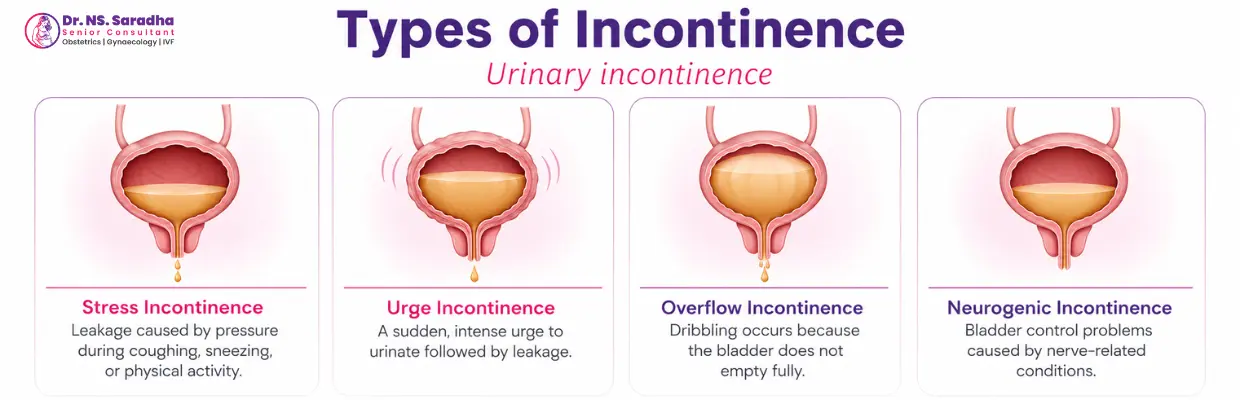
Stress urinary incontinence (SUI) is one of the most common pelvic floor problems in women. It happens when small amounts of urine leak during physical activity coughing, sneezing, laughing, jumping, or even just walking briskly.
It is not about being stressed emotionally. The word "stress" here refers to physical pressure on the bladder.
Why does it happen?
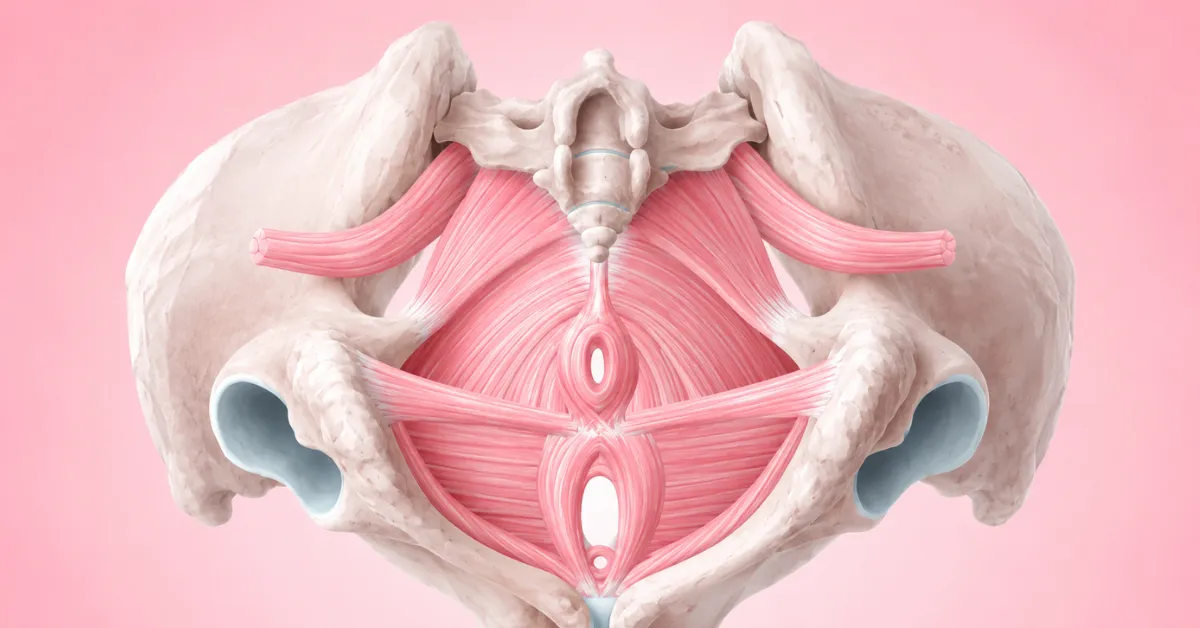
The pelvic floor muscles act like a hammock, supporting the bladder, uterus, and bowel. When these muscles weaken usually after childbirth, with age, or after menopause the urethra (the tube that carries urine out) cannot stay closed well under pressure. The result is a leak.
Who is more likely to get it?
How is it treated?
The good news is that stress urinary incontinence responds very well to treatment. Dr. N.S. Saradha usually starts with the least invasive approach and moves forward only if needed.
Dr. Saradha, as a trusted gynecologist in Vadapalani, takes time to understand how much this is affecting your daily life before recommending any intervention. Most women start with simple exercises and see meaningful improvement.
When the Urge to Go Comes Suddenly and Strongly
Urge incontinence is a different kind of leakage. Here, you get a sudden, very strong urge to urinate and sometimes you cannot reach the toilet in time. This can happen even when the bladder is not very full.
Some women find themselves rushing to the bathroom many times a day. Others wake up two or three times at night. This is called overactive bladder (OAB), and urge incontinence is one of its most distressing symptoms.
What causes it?
The bladder is a muscle, and in overactive bladder, it contracts at the wrong times even before it is full. The exact cause is not always clear, but contributing factors include:
How is it managed?
Urge incontinence is very treatable. Dr. N.S. Saradha uses a step-by-step approach depending on how severe the symptoms are:
Many women feel embarrassed about urge incontinence and put off seeking help for years. At Dr. Saradha's clinic, you will find a judgment-free space where you can speak openly and get the right care.
Understanding the "Heaviness" or "Something Coming Down" Feeling
Uterovaginal prolapse happens when the uterus (womb) slides down from its normal position into or toward the vaginal opening. This is because the ligaments and muscles that hold the uterus in place have weakened over time.
Women often describe it as a feeling of heaviness or pressure in the lower pelvic area, or a sensation that something is bulging out. Some women notice a visible or palpable lump at the vaginal opening.
What leads to prolapse?
Grades of prolapse
Prolapse is graded from mild (Grade 1) to severe (Grade 4) depending on how far the uterus has descended. Not all prolapse needs surgery the grade and the symptoms together guide the treatment plan.
What are the treatment options?
Prolapse is not a condition to be ashamed of. It is a structural problem caused by life events pregnancy, delivery, and ageing that any woman can face. Reaching out early makes treatment simpler.
When the Bladder or Bowel Pushes Against the Vaginal Wall
The vagina is surrounded by supportive tissue on all sides. When the tissue between the bladder and the vagina weakens, the bladder can bulge into the vaginal wall this is called a cystocele (bladder prolapse). When the tissue between the rectum and the vagina weakens, the rectum can push forward into the vaginal wall this is called a rectocele (rectal prolapse).
Both conditions are forms of pelvic organ prolapse, and they can occur together or separately.
Symptoms of a cystocele:
Symptoms of a rectocele:
Why does this happen?
The connective tissue that forms the support walls can stretch and tear during childbirth. With age and falling oestrogen levels after menopause, this tissue becomes less elastic and loses its ability to hold everything in place.
Treatment
Mild cases are managed with pelvic floor exercises, bowel habit correction for rectocele, and bladder training for cystocele. Moderate to severe cases where daily life is being affected can be corrected with surgery. Dr. N.S. Saradha, as an experienced gynecologist in Saligramam, offers both conservative and surgical management tailored to each woman's needs and health status.
Pelvic Pain and Bladder Discomfort that will Not Go Away
Bladder pain syndrome (BPS), also known as interstitial cystitis, is a chronic condition where women feel pain, pressure, or discomfort in the pelvic region and bladder without a urinary tract infection. The pain is often linked to how full the bladder is and gets temporarily better after urinating.
This is a condition that is frequently misunderstood or misdiagnosed as recurrent UTI for years. If your urine tests keep coming back normal but the pain and urgency continue, bladder pain syndrome may be the answer.
What does it feel like?
What causes it?
The exact cause is not yet fully understood, but research suggests that the inner lining of the bladder may be damaged or defective, allowing irritants in urine to penetrate the bladder wall and cause inflammation. Some immune system involvement is also thought to play a role.
How is it treated?
Bladder pain syndrome is a long-term condition that is managed rather than cured, but with the right care, most women feel significantly better:
Diagnosis takes time because it is a condition of exclusion other causes need to be ruled out first. Dr. N.S. Saradha takes a careful, structured approach to get to the right diagnosis and help women manage their symptoms well.
Bladder Infections that Keep Coming Back
A urinary tract infection (UTI) is one of the most common infections in women. Most of the time, a short course of antibiotics clears it up. But for some women, UTIs keep returning three or more times in a year. This is called recurrent UTI, and it needs a different approach than treating each infection separately.
Recurrent UTIs are not just uncomfortable they affect sleep, work, relationships, and overall quality of life. And repeated antibiotic use over time raises concerns about antibiotic resistance.
Why do some women get recurrent UTIs?
How does Dr. Saradha approach recurrent UTIs?
Rather than treating each infection in isolation, Dr. N.S. Saradha investigates the underlying cause. A full assessment includes urine culture, a bladder scan to check for residual urine, and a detailed clinical evaluation.
Treatment is then personalised:
Recurrent UTI can be stopped. It needs proper investigation and a consistent plan not just repeated antibiotics.

Pelvic floor and bladder problems are common in women but they are not something you have to quietly accept as part of life. With the right support, most of these conditions improve significantly.
Pelvic floor & bladder treatment in Chennai is available with the care and expertise you deserve. Dr. N.S. Saradha combines over 30 years of experience in women's health with a Diploma in Urogynecology and a genuine commitment to each patient's wellbeing. She takes the time to listen, explain your condition in simple terms, and work with you on a treatment plan that makes sense for your body and your life.
Whether you are looking for a trusted gynecologist in Vadapalani or a gynecologist in Saligramam, Dr. Saradha is available at SIMS Hospital, Vadapalani and Agna Clinic, Saligramam.
You do not have to live with discomfort. Book a consultation and take the first step toward feeling like yourself again.
The main types are stress incontinence (leakage with coughing, sneezing, exercise due to poor urethral support), urgency incontinence (leakage with a sudden, intense urge due to overactive bladder), and mixed incontinence (both). Overflow and functional incontinence are less common.
Prolapse occurs when pelvic support structures weaken and one or more pelvic organs descend into or beyond the vaginal canal. Types include cystocele (bladder), rectocele (rectum), uterine prolapse, and vault prolapse (after hysterectomy). Symptoms include a dragging sensation, bulge, and bladder or bowel dysfunction.
OAB is characterised by urgency, with or without urgency incontinence, often accompanied by frequency (>8 voids per day) and nocturia, in the absence of infection or other obvious cause. First-line treatment includes bladder training and pelvic floor exercises; anticholinergics or beta-3 agonists may be added.
IC/BPS is a chronic condition causing bladder pain or pressure, urinary urgency and frequency, with no identifiable infection. The cause is poorly understood. Management includes dietary modification, pelvic floor physiotherapy, oral medications (e.g. amitriptyline, pentosan polysulfate), and in some cases intravesical therapy.
Supervised pelvic floor muscle training (PFMT) is the recommended first-line treatment for both stress incontinence and mild-to-moderate prolapse. Consistent exercises reduce leakage episodes significantly and can improve prolapse symptoms, particularly when taught by a specialist physiotherapist.
Take the first step toward better women’s health with expert, compassionate care at Dr. N.S. Saradha Women’s Health Centre. Get accurate diagnosis, advanced treatments, and personalized care designed to support safe recovery and long-term wellness at every stage of life.