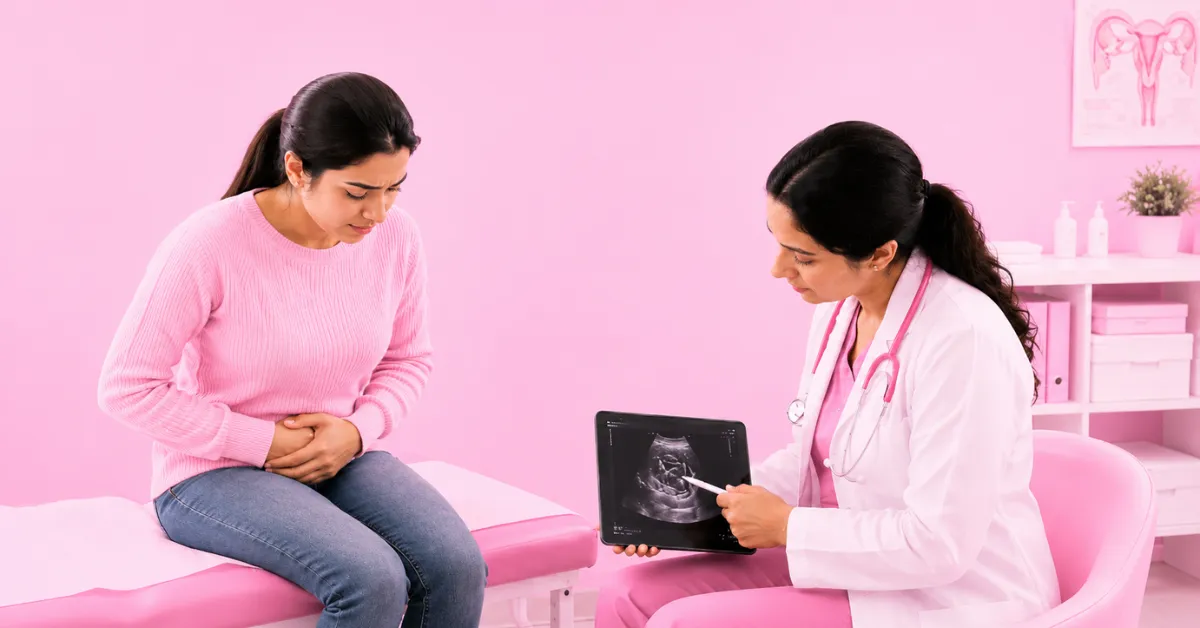
Pelvic and Abdominal Conditions

Comprehensive pelvic and abdominal condition care treats pelvic conditions, abdominal condition pain, and pelvic abdominal condition symptoms with expertise.
Pelvic and Abdominal Conditions

Endometriosis (All Stages)

Endometriosis is a condition where tissue similar to the inner lining of the uterus starts growing outside it. This tissue can grow on the ovaries, fallopian tubes, the outer surface of the uterus, and even in the pelvic area. Every month during your cycle, this tissue behaves just like the uterine lining — it thickens, breaks down, and bleeds. But since it has no way to exit the body, it gets trapped, causing inflammation, pain, and over time, scar tissue.

Endometriosis is classified into four stages based on how widely it has spread and how deep the implants are. Stage 1 and 2 are considered mild to moderate, and Stage 3 and 4 involve deeper implants and more extensive scarring. Regardless of the stage, symptoms and their impact on quality of life vary from person to person.

Common Symptoms

  • Painful periods that are getting worse over time
  • Pain during or after intercourse
  • Heavy or irregular bleeding
  • Pain during bowel movements or urination, especially during periods
  • Difficulty getting pregnant
  • Lower back pain and pelvic discomfort between periods

Some women with endometriosis have severe pain, while others may feel almost nothing. It is also important to note that pain intensity does not always match the stage of the condition. A thorough ultrasound, pelvic examination, and in some cases a laparoscopy are used to confirm the diagnosis.

Dr. N.S. Saradha, a leading gynecologist in Saligramam, offers Pelvic and abdominal conditions Care in Chennai through both medical and surgical treatment options depending on the stage and severity. Treatment may include hormonal medications to control the growth of tissue, pain management, or laparoscopic surgery to remove the implants. Dr. Saradha works with each patient to find a plan that fits their symptoms, lifestyle, and plans for having children in the future.

Pelvic Inflammatory Disease (PID)

Pelvic inflammatory disease, commonly known as PID, is an infection of the female reproductive organs. It usually starts when bacteria travel from the vagina upward into the uterus, fallopian tubes, or ovaries. PID most often develops as a result of an untreated infection, but it can also follow certain procedures or occur due to other reasons.

What makes PID a condition that needs prompt attention is that it can silently damage the reproductive system if left untreated. In many cases, women do not notice any clear symptoms early on, which means the infection continues to spread inside.

Signs to Watch for

  • Dull or sharp pain in the lower abdomen or pelvis
  • Unusual vaginal discharge with an unpleasant odour
  • Irregular bleeding or spotting between periods
  • Pain or discomfort during intercourse
  • Fever, chills, or feeling generally unwell
  • Burning sensation when passing urine

If PID is diagnosed and treated early with the right antibiotics, most women recover fully without long-term problems. However, repeated episodes of PID or delayed treatment can lead to scarring inside the fallopian tubes and pelvis, which can affect fertility. This is exactly why visiting a qualified doctor at the earliest sign of symptoms matters.

Dr. Saradha evaluates each case carefully through clinical examination and investigations. A proper treatment course is prescribed, and where necessary, the patient's partner may also be advised to seek treatment to prevent reinfection.

Pelvic & abdominal conditions

Chronic Pelvic Pain

Chronic pelvic pain refers to pain felt in the lower abdomen or pelvis that lasts for six months or more. Unlike acute pain, which has a clear and immediate cause, chronic pelvic pain is ongoing and can be difficult to trace back to a single source. It is one of the most common reasons women visit a gynaecologist, and yet it is often underdiagnosed or dismissed.

The pain can be constant or come and go. It can be a dull ache or a sharp, stabbing sensation. It may get worse during periods, during intercourse, or while sitting for long periods. Some women also notice the pain flaring up with stress or after a long day on their feet.

Chronic pelvic pain can have several underlying causes, and Pelvic and abdominal conditions Care in Vadapalani often begins with identifying these root issues. It may be linked to endometriosis, pelvic adhesions, fibroids, ovarian cysts, or musculoskeletal issues. In some cases, it may have more than one contributing factor, which is why a detailed evaluation is important before starting any treatment.

As a trusted gynecologist in Vadapalani, Dr. N.S. Saradha takes a thorough approach to understanding chronic pelvic pain. She looks at the full picture medical history, lifestyle, menstrual patterns, and examination findings before arriving at a diagnosis. The goal is not just to manage the pain but to find and address what is causing it.

Treatment for chronic pelvic pain may involve pain-relieving medications, hormonal therapy, physiotherapy, lifestyle changes, or surgical intervention, depending on the cause. Dr. Saradha supports her patients through every step, helping them regain comfort and quality of life.

Pelvic Adhesions

Pelvic adhesions are bands of scar tissue that form inside the pelvis and cause organs to stick together, making Pelvic and abdominal conditions Care essential for accurate diagnosis and management. Normally, the surfaces of organs in the pelvis are smooth, allowing them to move freely against each other. When adhesions develop, this movement is restricted, which can cause pain and, in some cases, affect how the organs work.

Adhesions most commonly develop after abdominal or pelvic surgery, pelvic infections such as PID, or as a complication of endometriosis. They can also form after a ruptured appendix or any condition that causes inflammation inside the abdomen.

How Adhesions Affect the Body

  • Pulling sensation or tightness in the lower abdomen
  • Pelvic pain that worsens with movement or physical activity
  • Painful periods or pain during intercourse
  • Bowel changes if adhesions involve the intestines
  • Difficulty conceiving if adhesions involve the fallopian tubes or ovaries

Many women with pelvic adhesions live without knowing they have them, especially if the adhesions are small and not causing symptoms. However, when adhesions cause significant pain or are affecting fertility, they need to be treated.

The main treatment for problematic adhesions is a laparoscopic procedure called adhesiolysis, where the scar tissue is carefully cut and removed as part of comprehensive Pelvic and abdominal conditions Care in Vadapalani. Dr. Saradha performs this using minimally invasive techniques, which means smaller incisions, less pain after surgery, and a faster return to daily life. She also advises patients on steps to reduce the likelihood of adhesions forming again after the procedure.

Tubal Blockage

The fallopian tubes are two thin passages that connect the ovaries to the uterus. Every month, when an egg is released from the ovary, it travels through these tubes on its way to the uterus. If the egg meets a sperm in the tube, fertilisation happens there. This is why healthy, open fallopian tubes are essential for natural conception.

Tubal blockage means one or both tubes are partially or fully blocked, preventing the egg and sperm from meeting. It is one of the leading causes of infertility in women, yet it often has no symptoms at all. Many women discover a blockage only when they are trying to conceive and undergo fertility investigations.

The most common causes of tubal blockage include previous pelvic infections such as PID, endometriosis, pelvic adhesions, or a prior ectopic pregnancy. Previous surgeries in the pelvic area can also contribute to blockages forming over time.

How is it Diagnosed?

  • Hysterosalpingography (HSG) an X-ray test using a dye to check if the tubes are open
  • Laparoscopy with chromopertubation a camera-guided procedure where dye is passed through the tubes to confirm blockage
  • Sono HSG an ultrasound-based assessment of the tubes

Treatment depends on where the blockage is and what caused it. In some cases, a minor procedure can open the tubes. In others, surgery may be needed to repair or remove the blocked portion. Dr. Saradha evaluates each case individually and discusses the most suitable path forward, including fertility options, so that patients can make informed decisions about their care.

Ectopic Pregnancy

A pregnancy is called ectopic when the fertilised egg implants somewhere outside the uterus. In most cases, this happens inside the fallopian tube, which is why it is also referred to as a tubal pregnancy. In rare cases, implantation can occur in the ovary, cervix, or abdominal cavity.

An ectopic pregnancy cannot develop into a full-term baby because there is simply not enough space or the right environment outside the uterus. As the pregnancy grows, it puts pressure on the surrounding tissue, which can be a serious medical situation if not identified early.

Symptoms that Need Immediate Attention

  • Sharp or stabbing pain on one side of the lower abdomen
  • Vaginal bleeding that is lighter or heavier than a normal period
  • Shoulder tip pain, which can indicate internal bleeding
  • Dizziness, feeling faint, or weakness
  • Nausea and vomiting alongside pelvic pain

Some women may not have obvious symptoms in the early stages, which is why an early ultrasound is recommended when a pregnancy is confirmed. If an ectopic pregnancy is detected before any complications arise, treatment is much simpler and recovery is smoother.

Treatment options depend on how far along the ectopic pregnancy is and the patient's condition. In early cases, a medication called methotrexate may be used to stop the pregnancy from developing further. In cases where the tube has been affected, a laparoscopic surgical procedure is carried out to manage the situation.

Dr. N.S. Saradha is experienced in managing ectopic pregnancies with a compassionate and careful approach. She ensures that patients receive the right treatment without delay and provides support throughout the process. As a caring gynecologist in Saligramam and Vadapalani, she also helps patients understand their options for future pregnancies and the steps that can be taken to reduce the risk.


Conclusion

Pelvic and abdominal conditions are more common than most people realise, and the good news is that with the right care, most of them can be managed very well. Whether it is endometriosis, a pelvic infection, adhesions, tubal blockage, chronic pain, or an ectopic pregnancy each condition has a treatment path, and no one has to go through it alone.

Dr. N.S. Saradha brings years of clinical experience, a gentle approach, and a commitment to giving every patient the attention they deserve. She understands that gynaecological concerns can feel overwhelming, and she makes it a point to explain things clearly and answer every question her patients have.

If you have been looking for a trusted gynecologist in Vadapalani or a reliable expert for pelvic and abdominal conditions treatment in Chennai, Dr. Saradha's clinic is here to help. Reach out today to book a consultation and take the first step towards feeling better.

Frequently Asked Questions

Common questions about Pelvic and Abdominal Conditions and our services

PID is an infection of the upper reproductive tract (uterus, fallopian tubes, ovaries) usually caused by ascending sexually transmitted bacteria, most often Chlamydia trachomatis or Neisseria gonorrhoeae. It can cause pelvic pain, fever, and discharge, and if untreated may lead to tubal damage and infertility.

Chronic pelvic pain (lasting more than six months) has many possible causes including endometriosis, adenomyosis, PID sequelae, irritable bowel syndrome, interstitial cystitis, pelvic congestion syndrome, musculoskeletal dysfunction, and central sensitisation. A multidisciplinary approach is often needed.

Pelvic congestion syndrome involves dilated, incompetent ovarian or pelvic veins causing chronic dull pelvic aching, typically worse with prolonged standing and around menstruation. It is diagnosed on imaging (MRI or venography) and can be treated with embolisation.

Yes, though rarely. Endometriosis most commonly affects the ovaries, fallopian tubes, and pelvic peritoneum, but can involve the bowel, bladder, ureters, diaphragm, and (very rarely) distant sites. Symptoms can include cyclical bowel changes, haematuria, or shoulder tip pain.

A pelvic abscess is a collection of pus in the pelvis, often arising as a complication of PID, appendicitis, or pelvic surgery. Presentation includes severe pelvic pain, fever, and raised inflammatory markers. Treatment involves antibiotics and usually drainage either radiologically or surgically.

Need Medical Assistance? Book an Appointment Now!

Take the first step toward better women’s health with expert, compassionate care at Dr. N.S. Saradha Women’s Health Centre. Get accurate diagnosis, advanced treatments, and personalized care designed to support safe recovery and long-term wellness at every stage of life.